
Mexican Tattoo Culture Icons and Symbolism
There's something truly magical about Mexican tattoo culture that goes way beyond just beautiful imagery on skin.
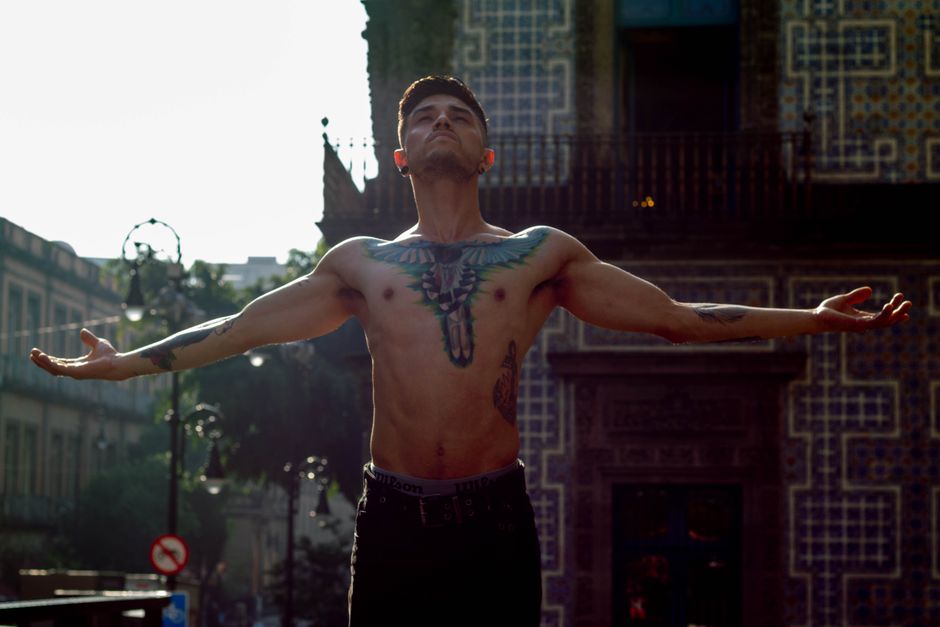 Save
Save
There's something truly magical about Mexican tattoo culture that goes way beyond just beautiful imagery on skin. When you dive into this world, you're really exploring a rich tapestry of identity, spirituality, and the profound relationship between life and death. As someone who's been fascinated by tattoos for over 15 years, I can tell you that Mexican-inspired designs represent some of the most emotionally resonant work being created today.
The Sacred Language of Día de los Muertos
One of the most captivating themes in Mexican tattoo culture centers around Día de los Muertos, the traditional celebration that honors those who have passed on. This isn't morbid or dark in the way outsiders sometimes misunderstand it; instead, it's a beautiful tribute filled with love, remembrance, and joy. When this cultural celebration translates onto skin, it becomes absolutely stunning.
The imagery that emerges from this tradition is incredibly distinctive. You'll see striking female faces inspired by La Catrina, perhaps the most iconic figure in this aesthetic. These aren't just any faces either; they're elaborately decorated skulls with delicate patterns, floral elements woven throughout, and an undeniable sense of elegance and grace. Roses appear frequently, their beauty contrasting with the skeletal imagery beneath. Candles provide spiritual illumination in the designs, while religious elements like crosses or saints add another layer of meaning. What I love most about these pieces is how they blend celebration with melancholy, creating this unique emotional space that feels both joyful and reverent.
For a closer look at each symbol, read our guide to Day of the Dead tattoo meaning, from sugar skulls to La Catrina and marigolds.
Ancient Civilizations and Pre-Columbian Heritage
Beyond Día de los Muertos imagery, many talented artists draw deeply from the ancient visual heritage of Central and South America. We're talking about the incredible iconography from pre-Columbian civilizations like the Inca, Aztec, and Maya cultures. These aren't generic indigenous symbols; they're specific, historically rooted imagery that carries real spiritual weight.
You'll encounter geometric motifs that seem to contain their own logic and meaning. Warrior figures emerge with strength and dignity. Deities appear in their full symbolic complexity. Ritual masks suggest mystery and transformation. Sacred animals like jaguars, serpents, and eagles become powerful tattoo subjects that reconnect modern wearers with ancestral traditions and deep spiritual symbolism. What fascinates me is how contemporary tattoo artists approach this material with genuine respect, understanding that these elements carry centuries of meaning.

The technical execution of these designs has evolved significantly. Traditionally, Mexican-style tattoos were known for their strong black and grey contrasts, realistic portraiture, and incredibly detailed compositions. That foundation remains solid, but today's artists are reinterpreting this aesthetic through their own unique artistic voices. Some combine those traditional Chicano influences with fine line work or hyperrealistic techniques. Others merge indigenous iconography with modern graphic design solutions, surrealism, or illustrative approaches. The style remains recognizable while continuously evolving.
Why These Designs Endure
What makes Mexican tattoo culture so enduring and powerful is the emotional depth embedded in every piece. These tattoos aren't simply decorative elements added for visual appeal. They speak about family bonds that transcend death itself. They honor memory and keep loved ones present through art. They serve as protection, spiritually and emotionally. They represent cultural roots and identity in a world that constantly tries to homogenize and erase cultural distinctiveness.
Contemporary tattoo artists continue to reinvent this visual tradition, taking historical and folkloric symbols and transforming them into deeply personal narratives. A Día de los Muertos design might include a specific person's favorite flowers or a date that holds meaning. Pre-Columbian imagery might be recontextualized to speak about modern struggles and triumphs. The symbolism reaches far beyond its original cultural context, resonating with people worldwide who understand the universal human need to honor the past while celebrating present identity.
If you're drawn to Mexican tattoo culture, you're choosing to carry stories that matter. You're connecting with centuries of artistic tradition while creating something uniquely yours. That's the real beauty of this genre, and why I remain endlessly fascinated by it.
Featured image: Photo by Kuiyibo Campos on Pexels, Pexels License (free for commercial use)
Inline image: Photo by Migue Cortés on Pexels, Pexels License (free for commercial use)
Original story: www.tattoolife.com
Related reading: Japanese tattoo culture, how anthropologists study tattoos and a timeline of tattoo history.
Heritage is a common thread in cultural tattoos, as the students in Inked Identity explain. And if you love the darker side of this imagery, see our Halloween tattoo ideas.
News Tattoos
Tattoo enthusiast and writer at News Tattoos. Passionate about tattoo art, culture, and the stories behind the ink. Covering the global tattoo community since 2022.
Get one tattoo story a day on Telegram
New guides, meanings and tattoo news, straight to your phone. Free, no spam.
Keep reading
 Tattoo Culture & History
Sailor Tattoo Meanings: Swallows, Anchors, Nautical Stars and Hold Fast
Tattoo Culture & History
Sailor Tattoo Meanings: Swallows, Anchors, Nautical Stars and Hold Fast
 Tattoo Culture & History
Japanese Tattoo Yakuza: History and Modern Culture
Tattoo Culture & History
Japanese Tattoo Yakuza: History and Modern Culture
 Tattoo Artist Spotlights
Stories In Ink Ottawa Celebrates Black Creatives
Tattoo Artist Spotlights
Stories In Ink Ottawa Celebrates Black Creatives
 Tattoo News & Events
Dragon Tattoo Meaning: Chinese, Japanese and European Dragons Explained
Tattoo News & Events
Dragon Tattoo Meaning: Chinese, Japanese and European Dragons Explained