
Wolf Tattoo Meaning: Loyalty, Family and the Myth of the Lone Wolf
A wolf tattoo can stand for loyalty, family, strength or independence. Here is what wolves mean in myth and in real life, plus the designs and placements that work best.
 Save
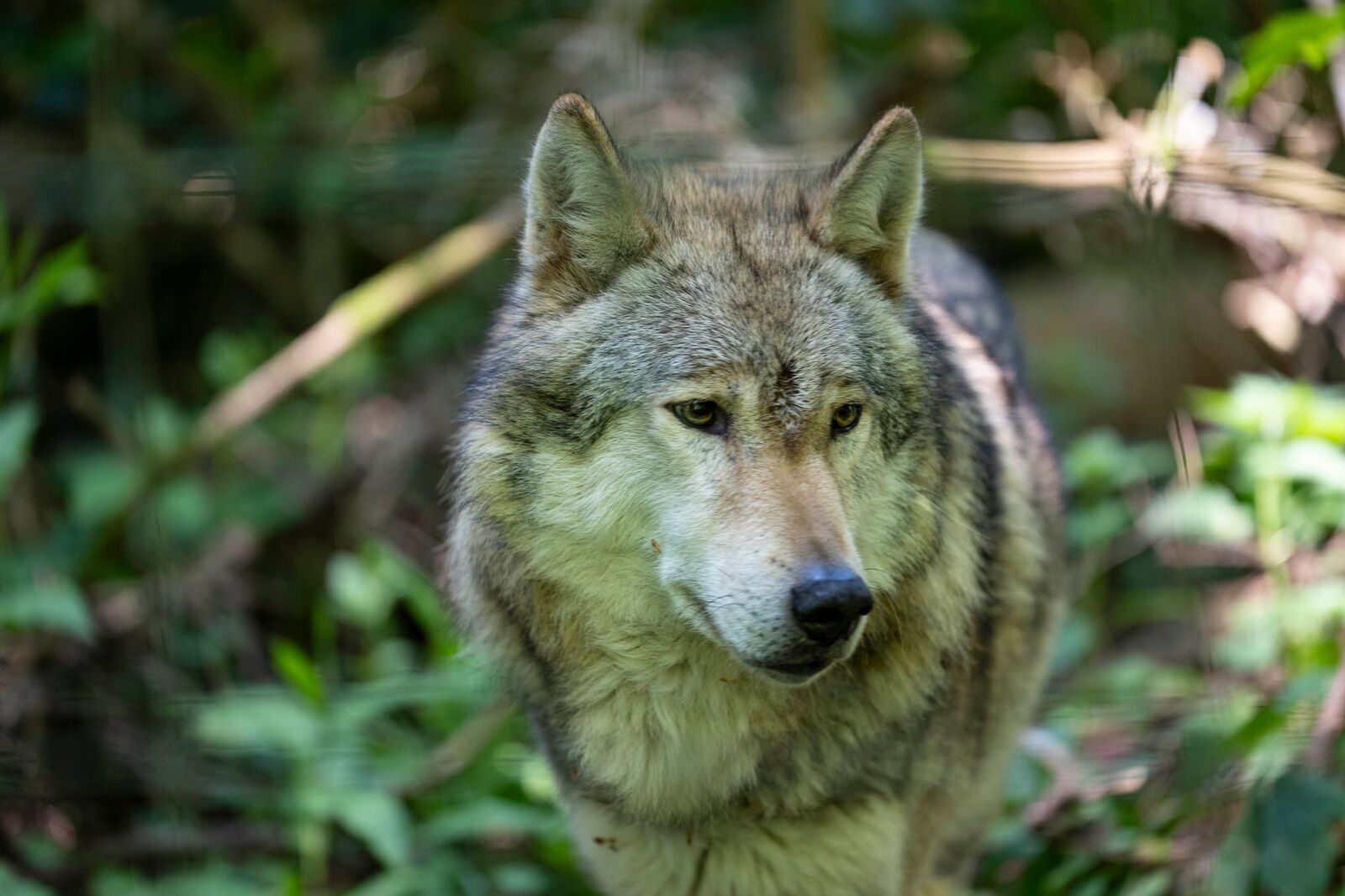
The wolf is one of the most powerful animals you can wear as a tattoo. It looks fierce, it carries thousands of years of myth, and it means very different things depending on how it is drawn. A snarling wolf says something quite different from a howling wolf, a pair of wolves or a mother with her cubs.
Here is what a wolf tattoo usually means, where those meanings come from and how to pick a design that suits you.
What does a wolf tattoo mean?
- Loyalty and family. Wolves live and hunt in packs, which makes them a natural symbol of devotion to family and close friends.
- Strength and courage. A wolf is a survivor in harsh places, a symbol of resilience.
- Protection. Many parents get a wolf to represent guarding their children.
- Independence. The "lone wolf" stands for self reliance and walking your own path.
- Instinct and wildness. Wolves represent trusting your gut and staying connected to nature.
- Guidance. In many stories, wolves lead lost travellers or guide souls.
Packs are families, not armies
Many wolf tattoos lean on the idea of the "alpha wolf" who fights his way to the top. Real wolves are a little different. Wolf biologist L. David Mech, whose early writing helped popularise the alpha idea, has spent decades correcting it: in the wild, a pack is usually a family, a breeding pair and their offspring, and the "leaders" are simply the parents.
That is good news for tattoo meaning. A wolf pack tattoo is not really about dominance. It is about family, which is why wolf designs work so well for parents, siblings and partners. See our sibling tattoo ideas and couple tattoo ideas for matching designs.
Wolves in myth and history
Rome: the she wolf
According to Roman legend, the twins Romulus and Remus, the mythical founders of Rome, were abandoned as babies and nursed by a she wolf. The image of the wolf feeding the twins became a symbol of the city and still appears all over Rome today. A she wolf tattoo can stand for motherhood, nurture and fierce care.
Norse myth: Fenrir, Geri and Freki
Norse mythology has two very different wolves. Fenrir is a giant wolf bound by the gods, who is destined to break free at Ragnarök, the end of the world. Geri and Freki are the two wolves who accompany the god Odin. Fenrir tattoos tend to mean raw power and defiance, while Odin's wolves suggest loyalty and wisdom. Our guide to Norse tattoo meanings covers these symbols in more detail.
Folklore: the big bad wolf
European fairy tales often cast the wolf as a villain. Some people choose a wolf tattoo for exactly that edge: a reminder that they can be dangerous when pushed.
Many Indigenous cultures in North America also hold the wolf in deep respect, with meanings that vary from nation to nation. If you want to use specific Indigenous designs, speak to an artist from that culture rather than copying sacred imagery.
Popular wolf tattoo designs and what they add
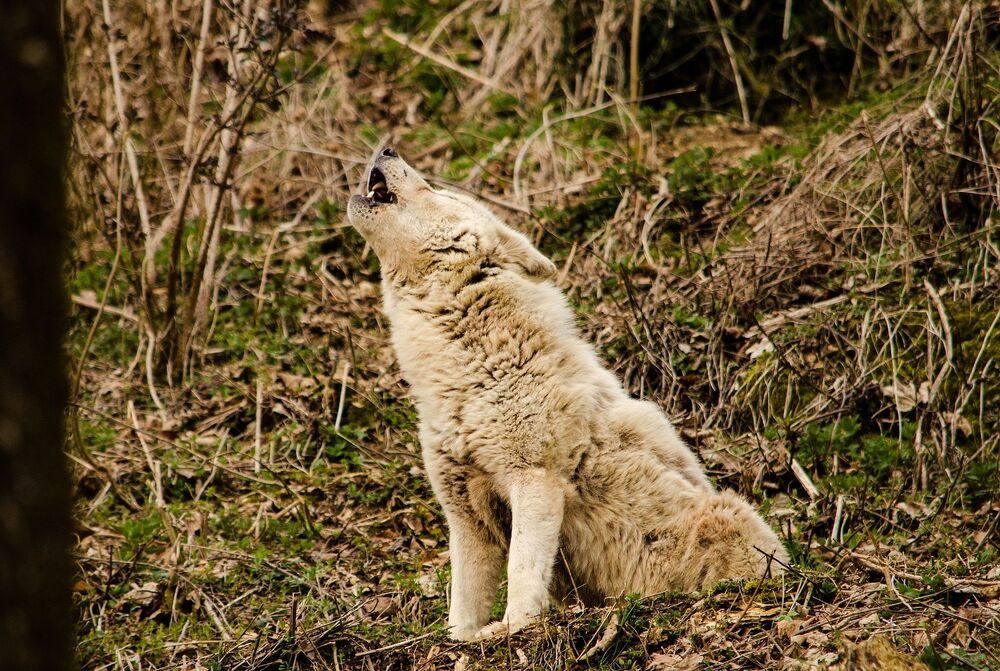
- Howling wolf: communication, longing, freedom, often with a full moon.
- Wolf and moon: intuition, mystery and the night. Pairs well with our guide to traditional tattoo symbols.
- Snarling wolf: aggression, defence and strength, popular in neo traditional style.
- Wolf pack: family, a wolf for each family member.
- Mother wolf and cubs: parenthood and protection.
- Geometric wolf: a modern, clean take with lines and shapes.
- Wolf eyes: just the eyes, intense and minimal.
- Wolf and rose: strength with tenderness. See our guide to rose tattoo meaning.
Styles that suit wolves
Wolves are popular in black and grey realism, where artists can show fur and eyes in great detail. That style needs enough size to stay readable over time, so plan for a forearm, calf, thigh, chest or back. American traditional wolf heads with bold outlines age very well, and geometric wolves suit people who want something cleaner. Our guide to tattoo styles explains each one.
Best placements for a wolf tattoo
- Forearm: the most popular spot for a realistic wolf head.
- Upper arm and shoulder: great for a wolf with moon or forest.
- Chest: a bold, symmetrical wolf head across the chest.
- Back: room for a full pack scene.
- Thigh or calf: large, fleshy and less painful.
Compare pain levels on our tattoo pain chart and estimate the price of a larger realistic piece with the tattoo cost calculator.
Wolf tattoo meaning for men and women
For men, wolves often stand for strength, protection and loyalty to family. For women, the she wolf is a symbol of fierce independence and motherhood. In practice, the meaning comes from the design and from you: a lone wolf on a woman's shoulder can mean independence just as clearly as on a man's arm.
Frequently asked questions
What does a wolf tattoo symbolise?
Most often loyalty, family, strength, protection and independence.
What does a lone wolf tattoo mean?
Self reliance and following your own path. In real life wolves rarely live alone for long, so some people also see it as a symbol of a difficult chapter before finding your "pack".
Is a wolf tattoo disrespectful?
A wolf design in general is not. Copying specific sacred Indigenous designs without understanding them can be, so ask your artist about the origins of any cultural imagery.
Sources: L. David Mech, "Alpha status, dominance, and division of labor in wolf packs", Canadian Journal of Zoology (1999); Encyclopaedia Britannica on Romulus and Remus, Fenrir and Odin.
News Tattoos
Tattoo enthusiast and writer at News Tattoos. Passionate about tattoo art, culture, and the stories behind the ink. Covering the global tattoo community since 2022.
Get one tattoo story a day on Telegram
New guides, meanings and tattoo news, straight to your phone. Free, no spam.
Keep reading
 Tattoo Inspiration & Ideas
Butterfly Tattoo Meaning: Change, Freedom and the Soul
 Tattoo Inspiration & Ideas
Tree of Life Tattoo Meaning: Symbolism Across Cultures and Design Ideas
 Tattoo Inspiration & Ideas
Palm Tree Tattoo Meaning: Victory, Travel and Design Ideas
 Tattoo Inspiration & Ideas
Rose Tattoo Meaning: Love, Loss and What Each Colour Says