
How World War II Changed Tattoo Culture Forever
When you think about the history of tattoos in America, World War II stands out as a pivotal moment that completely transformed how society viewed body art.
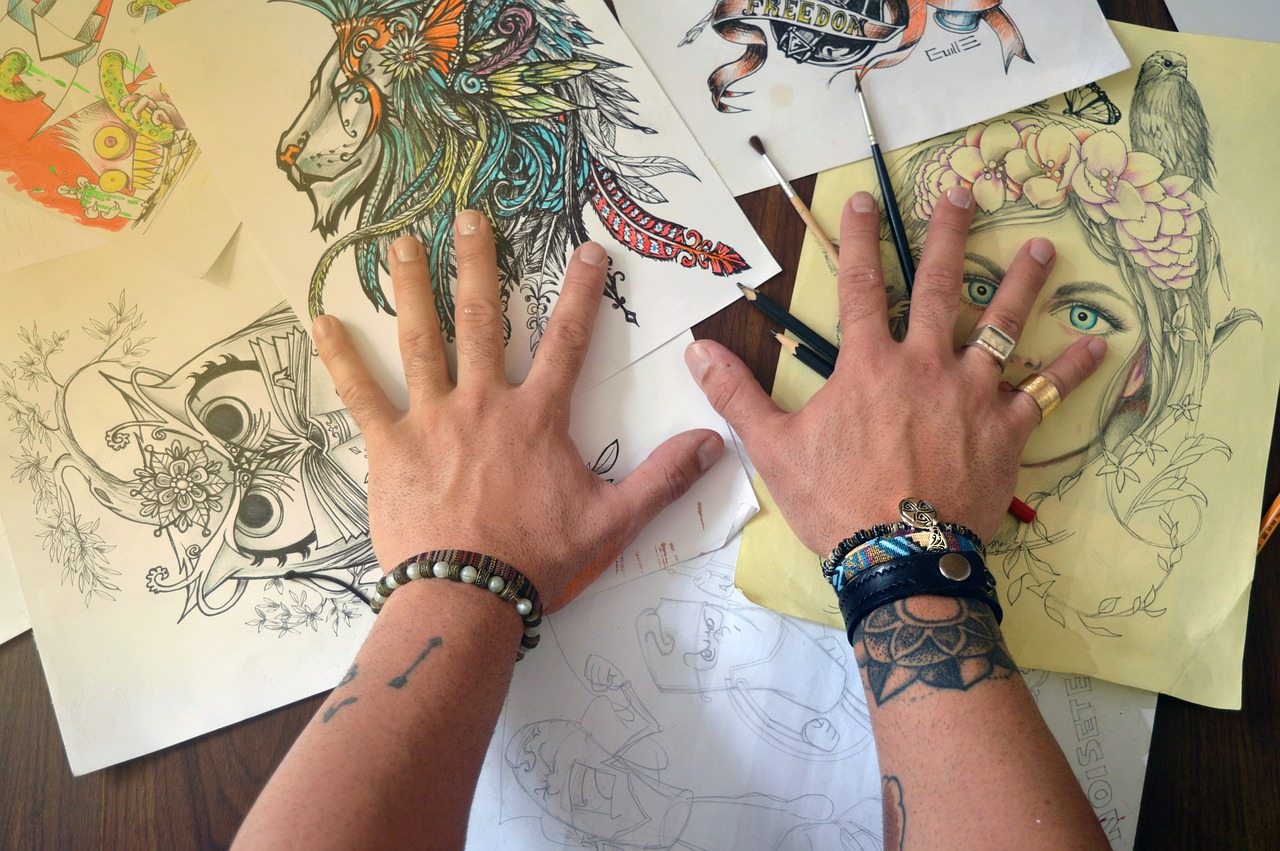 Save
Save
World War II tattoos changed how America saw body art. Before the war, tattoos were linked to sailors and circus performers; afterwards they came home with a generation of servicemen.
When you think about the history of tattoos in America, World War II stands out as a pivotal moment that completely transformed how society viewed body art. Before the war, tattoos were largely associated with sailors, circus performers, and the fringes of society. But something remarkable happened during those turbulent years that would reshape tattoo culture forever.
The American military during World War II became an unexpected breeding ground for tattoo popularity. Millions of young men enlisted or were drafted, and many found themselves stationed in ports and foreign lands where tattoo parlors were abundant and accessible. For these soldiers, getting inked became a rite of passage, a way to mark their military service, honor fallen comrades, or simply pass the time between deployments. Tattoo shops clustered around military bases, thriving on the constant stream of service members looking for a permanent reminder of their time in uniform.
Sailors and Soldiers Embraced Body Art
Sailors had always been the traditional tattoo enthusiasts, but World War II expanded this to include Army personnel, Marines, and airmen. The imagery that emerged during this era tells a fascinating story: patriotic symbols, pin-up girls, religious iconography, and military insignia dominated designs. These weren't frivolous choices; they represented love for country, devotion to comrades, and personal identity during one of history's most challenging periods.
What made this period so significant was the sheer scale of participation. Millions of servicemen returned home with tattoos, bringing the practice into mainstream visibility in a way it had never experienced before. Suddenly, tattoos weren't just for outcasts anymore; they were worn by your uncle, your neighbor, your friend from down the street.
We decode the classic designs in sailor tattoo meanings, and the man who defined them in Sailor Jerry: the real tattoo artist behind the name.
Breaking Social Barriers
The post-war period saw tattoos gradually gain acceptance in civilian life, though it would take decades for the stigma to truly fade. The soldiers who came home with sleeve work and chest pieces represented respectability and sacrifice, which helped legitimize the practice. Tattoo artists who had built their skills working with military clientele began refining their craft, developing cleaner techniques and more sophisticated designs.
This shift wasn't instantaneous, and plenty of prejudice remained, but the cultural foundation had been laid. Those soldiers proved that getting tattooed didn't make you a criminal or a social deviant; it made you someone who had served your country and wanted to remember it permanently.
The Legacy Lives On
Today when we look at the evolution of tattoo acceptance in Western culture, we can trace a direct line back to World War II. The war democratized tattooing in a way nothing else could have. It took something marginalized and made it mainstream through sheer numbers and the respect accorded to military service.
Understanding this history enriches our appreciation for tattoos today. Every time you see someone with military ink or vintage military-inspired designs, you're witnessing a cultural legacy that began in the 1940s. The tattoo industry we know and love today was fundamentally shaped by those servicemen who chose to carry their stories on their skin.
Related reading: a timeline of tattoo history, New York's underground tattoo years and an Air Force tattoo artist today.
Remembrance still inspires ink today; read about the poppy tattoo meaning, and see the bigger picture in tattoo history in America.
News Tattoos
Tattoo enthusiast and writer at News Tattoos. Passionate about tattoo art, culture, and the stories behind the ink. Covering the global tattoo community since 2022.
Get one tattoo story a day on Telegram
New guides, meanings and tattoo news, straight to your phone. Free, no spam.
Keep reading
 Tattoo Culture & History
Tattoos in the Bible: What Leviticus 19:28 Really Says
Tattoo Culture & History
Tattoos in the Bible: What Leviticus 19:28 Really Says
 Tattoo Culture & History
Tā Moko: The Meaning of Māori Tattoos and How to Respect Them
Tattoo Culture & History
Tā Moko: The Meaning of Māori Tattoos and How to Respect Them
 Tattoo Culture & History
Tattoo History in America: From Sailors to the Mainstream
Tattoo Culture & History
Tattoo History in America: From Sailors to the Mainstream
 Tattoo Culture & History
Batok: The History of Filipino Tattooing and Apo Whang-Od
Tattoo Culture & History
Batok: The History of Filipino Tattooing and Apo Whang-Od