
Tattoo Anthropology: How Scholars Study Culture
There's something genuinely magical about the way tattoos connect us to human history and culture. As someone who's spent years immersed in tattoo culture, I've always wondered about the deeper stories behind our ink.
 Save
Save
There's something genuinely magical about the way tattoos connect us to human history and culture. As someone who's spent years immersed in tattoo culture, I've always wondered about the deeper stories behind our ink. It turns out that academics are asking the same questions, and what they're discovering through tattoo anthropology is absolutely fascinating. A scholar at the University of Colorado Boulder has dedicated their research to understanding humanity itself through the lens of skin and ink, revealing how tattoos serve as windows into our identities, beliefs, and social connections.
This research reminds us that tattoos aren't just personal expressions or fashion statements. They're anthropological artifacts that tell us profound truths about who we are as humans, how we relate to one another, and what we value most deeply.
Understanding Tattoos as Cultural Markers
When you really think about it, tattoos have been part of human expression for thousands of years. Archaeological evidence shows that ancient peoples across virtually every continent practiced tattooing, from the Polynesian cultures who developed intricate tribal designs to the Japanese who perfected the art of full-body suits. What makes this research at CU Boulder so compelling is how it frames modern tattoo anthropology as a serious field of study. The scholar examines how tattoos function as cultural markers that communicate identity, status, spiritual beliefs, and group affiliation.
The beauty of studying humanity through tattoos is that you're literally reading stories written on people's skin. Every design choice, color selection, and placement carries meaning. Some tattoos mark rites of passage, others commemorate loved ones, and still others represent spiritual protection or tribal heritage. By analyzing these patterns across different cultures and time periods, anthropologists can understand how communities organized themselves, what they valued, and how they expressed their deepest beliefs.
In contemporary society, we see this same phenomenon playing out. Matching tattoos between friends and partners signify commitment. Sleeve pieces tell extended narratives about someone's life journey. Even the rise of specific tattoo styles like blackwork, watercolor, and geometric designs tells us something about our current cultural moment and aesthetic preferences. That's anthropology in real time, happening right in front of us in tattoo studios across the world.
You can hear that identity in students' own words in Inked Identity: three students on their cultural tattoos, and see it in traditions such as Māori tā moko, Filipino batok and Thai sak yant.
The Science of Ink and Identity
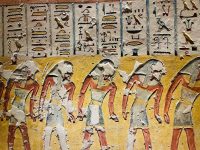
What really excites me about this academic approach to tattoo anthropology is how it bridges personal choice with social significance. The CU Boulder research explores how getting tattooed is never purely individual. It's always embedded in social context, cultural meaning, and historical moment. When someone decides to get their first tattoo, they're participating in something much larger than themselves. Photo by Вячеслав Ткачёв on Pexels: Pexels License (free for commercial use)
The scholar's work examines several fascinating dimensions:
How tattoos mark transitions and milestones in people's lives
The role of tattoos in establishing and maintaining group identity
The relationship between tattooing practices and social hierarchies
How spiritual and protective beliefs manifest through tattoo design
The evolution of tattoo meaning across generations and cultures
This research is particularly important because it legitimizes tattoo culture within academic discourse. For too long, tattoos have been dismissed as frivolous or transgressive. But when you approach them with genuine scholarly rigor, you discover that they're sophisticated communication systems. They're how humans tell each other who we are, where we belong, and what we believe in.
What This Means for Tattoo Culture Today
Understanding tattoos through an anthropological lens actually enhances our appreciation for the art form. It reminds us that when we sit in a tattoo artist's chair, we're participating in an ancient human practice. We're adding ourselves to a continuous thread of human expression that stretches back millennia.
The work happening at universities like CU Boulder helps shift the broader cultural conversation about tattoos. It provides academic credibility to something many of us already know intuitively: tattoos matter. They're not shallow or superficial. They're meaningful expressions of identity, culture, and human connection.
For those of us who are passionate about tattoos, this kind of scholarly attention feels validating. It affirms what we've always believed, that tattoos represent something essential about being human. Whether you're sporting a small meaningful piece or an elaborate full-back design, you're part of a global conversation about identity, culture, and art that extends far beyond the tattoo studio. That's genuinely beautiful when you really stop to think about it.
📷 Image Credits:Featured image: Photo by AI25.Studio Studio on Pexels, Pexels License (free for commercial use)
Inline image: Photo by Вячеслав Ткачёв on Pexels, Pexels License (free for commercial use)
Original story: news.google.com
Related reading: Mexican tattoo culture, the history of Auschwitz tattoos and Japanese tattoos and the yakuza.
Tattooing is even entering art schools, as Adam Krueger's tattooing course at RISD shows.
News Tattoos
Tattoo enthusiast and writer at News Tattoos. Passionate about tattoo art, culture, and the stories behind the ink. Covering the global tattoo community since 2022.
Get one tattoo story a day on Telegram
New guides, meanings and tattoo news, straight to your phone. Free, no spam.
Keep reading
 Tattoo Culture & History
Tattoo History Timeline: 5,000 Years of Ink, From Ötzi to Today
Tattoo Culture & History
Tattoo History Timeline: 5,000 Years of Ink, From Ötzi to Today
 Tattoo Culture & History
Tā Moko: The Meaning of Māori Tattoos and How to Respect Them
Tattoo Culture & History
Tā Moko: The Meaning of Māori Tattoos and How to Respect Them
 Tattoo Culture & History
Tattoo History in America: From Sailors to the Mainstream
Tattoo Culture & History
Tattoo History in America: From Sailors to the Mainstream
 Tattoo Culture & History
Batok: The History of Filipino Tattooing and Apo Whang-Od
Tattoo Culture & History
Batok: The History of Filipino Tattooing and Apo Whang-Od