
Japanese Tattoo Yakuza: History and Modern Culture
When most people think about Japanese tattoos and yakuza, their minds immediately jump to images of organized crime, danger, and the traditional full-body irezumi designs that have captivated the world for centuries.
 Save
Save
When most people think about Japanese tattoos and yakuza, their minds immediately jump to images of organized crime, danger, and the traditional full-body irezumi designs that have captivated the world for centuries. It's one of the most persistent and complicated connections in tattoo culture, and honestly, it deserves a much deeper dive than the Hollywood stereotypes we're all familiar with. The relationship between Japanese tattoo yakuza culture is real, but the modern story is far more nuanced and fascinating than you might expect.
The truth is that Japanese tattoo yakuza connections run deep historically, but that history tells us something important about how tattoos and identity have always been intertwined in Japanese society. For generations, full-body irezumi designs represented commitment, status, and belonging within yakuza organizations. These weren't casual tattoos you'd get on a weekend trip. These were deliberate marks that signified initiation, loyalty, and your place within a strict hierarchical system. The artistry involved was extraordinary, which makes the whole story even more compelling when you really dig into it.
The Historical Roots of Japanese Tattoo Culture
To understand the connection between Japanese tattoo yakuza tradition, you need to go back centuries. Japanese body tattooing, or irezumi, actually predates the yakuza themselves. Archaeological evidence shows that tattooing in Japan goes back at least 2,000 years, with tattoos originally serving spiritual and protective purposes. Ancient hunters and warriors used tattoos to mark status and invoke protection from the gods.
During the Edo period, things shifted dramatically. The shogunate began using tattoos as a form of criminal punishment, marking offenders with visible symbols that would follow them for life. It's darkly ironic, really, that what started as a sacred practice became a badge of shame. This is actually when the connection between tattoos and the criminal underworld began to solidify. Men marked by the state as criminals sometimes found community within yakuza organizations, and these groups eventually embraced the full-body irezumi designs as a symbol of their own brotherhood and resistance to mainstream society.
By the time the yakuza truly emerged as organized syndicates in the 19th and 20th centuries, the elaborate full-body tattoo had become their signature. These irezumi masterpieces often featured mythological characters, dragons, demons, and nature scenes that wrapped around the entire body. Getting one of these pieces was an investment of time, money, and pain that signaled complete commitment to the yakuza lifestyle.
Modern Japanese Tattoo Culture Beyond the Yakuza
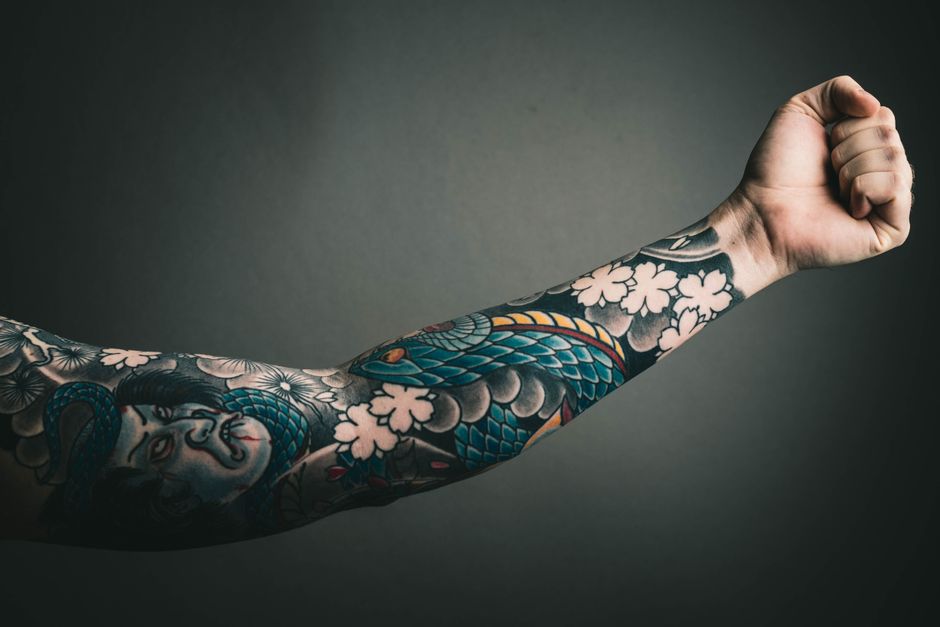
Here's where the story gets really interesting for anyone who loves Japanese tattoo art. Over the past few decades, irezumi has experienced a remarkable cultural renaissance that's completely separate from yakuza connections. Talented artists worldwide now practice traditional Japanese tattooing techniques, and enthusiasts get these designs for their artistic merit and spiritual significance rather than any association with organized crime.
The modern shift is significant. Younger generations in Japan and beyond appreciate irezumi as legitimate folk art and cultural heritage. International tattoo artists study under Japanese masters to perfect their technique. Art museums and galleries now feature irezumi imagery alongside other fine art traditions. This mainstreaming of Japanese tattoo culture has allowed people to appreciate these designs without the criminal stigma that once clung to them.
That said, certain realities remain. In Japan itself, visible tattoos still carry social baggage in many contexts. You'll find signs at public baths, gyms, and some restaurants explicitly prohibiting people with tattoos from entering. Many Japanese employers remain cautious about hiring tattooed employees. This isn't necessarily about yakuza anymore; it's more about general conservative attitudes toward body modification. But the legacy is still there, coloring how Japanese society perceives tattoos overall.
The yakuza themselves haven't disappeared, and many members still sport traditional full-body irezumi. But their cultural dominance over Japanese tattoo art has definitely waned. Today you're more likely to see irezumi designs chosen by artists, fashion enthusiasts, and collectors who simply adore the aesthetic and symbolism. The meaning has shifted from exclusively signifying criminal allegiance to representing personal identity, artistic appreciation, and cultural connection.
What fascinates me most about this evolution is how it shows that tattoo culture can transcend its origins and take on new meaning. Japanese tattoo yakuza history is real and important to understand, but it's not the whole story anymore. Contemporary irezumi stands as a testament to both traditional craftsmanship and modern artistic expression. Whether you're drawn to these designs for their history, their visual power, or their spiritual symbolism, you're part of a tradition that's far richer and more complex than any single narrative can capture.
Featured image: Photo by 383299 on Pixabay, Pixabay License (free for commercial use, no attribution required)
Inline image: Photo by Kevin Bidwell on Pexels, Pexels License (free for commercial use)
Original story: news.google.com
Related reading: Mexican tattoo culture, how World War II changed tattoo culture and a timeline of tattoo history.
Travellers still feel the old stigma at hot springs; read Japan onsen tattoo rules before you go.
News Tattoos
Tattoo enthusiast and writer at News Tattoos. Passionate about tattoo art, culture, and the stories behind the ink. Covering the global tattoo community since 2022.
Get one tattoo story a day on Telegram
New guides, meanings and tattoo news, straight to your phone. Free, no spam.
Keep reading
 Tattoo News & Events
Dragon Tattoo Meaning: Chinese, Japanese and European Dragons Explained
Tattoo News & Events
Dragon Tattoo Meaning: Chinese, Japanese and European Dragons Explained
 Tattoo Culture & History
Tā Moko: The Meaning of Māori Tattoos and How to Respect Them
Tattoo Culture & History
Tā Moko: The Meaning of Māori Tattoos and How to Respect Them
 Tattoo Culture & History
Sailor Tattoo Meanings: Swallows, Anchors, Nautical Stars and Hold Fast
Tattoo Culture & History
Sailor Tattoo Meanings: Swallows, Anchors, Nautical Stars and Hold Fast
 Tattoo Artist Spotlights
Stories In Ink Ottawa Celebrates Black Creatives
Tattoo Artist Spotlights
Stories In Ink Ottawa Celebrates Black Creatives