
Tattoo Aftercare in Winter: Dry Skin, Heavy Coats and Snow Sun
Winter is a great season for a new tattoo, but cold air, central heating and heavy layers bring their own problems. Here is how to look after fresh ink until spring.
 Save
Many tattoo artists say winter is one of the best times of year to get tattooed. There is less sun to fade fresh ink, fewer beach trips to skip and plenty of sleeves to hide a healing arm. But winter brings its own set of problems for a new tattoo: cold, dry air outside, hot, dry air inside, and layers of clothing that rub against tender skin all day.
The basics of aftercare do not change with the seasons. Keep the tattoo clean, keep it lightly moisturised, do not pick it and follow your artist's instructions. This guide covers the extra things to think about from November to March.
Why winter is hard on healing skin
Cold air holds less moisture, and indoor heating dries the air even further. The American Academy of Dermatology notes that dry winter air pulls moisture from the skin, which is why so many people get dry, itchy skin in the colder months. A healing tattoo is already a small wound that is busy rebuilding its outer layer, so it feels that dryness more than the skin around it.
Dry, tight skin around a new tattoo tends to itch more, flake more and crack more easily. Cracks in a scab can pull out ink and leave patchy spots, which is why winter aftercare is mostly about keeping the skin comfortable and protected from friction.
1. Moisturise little and often
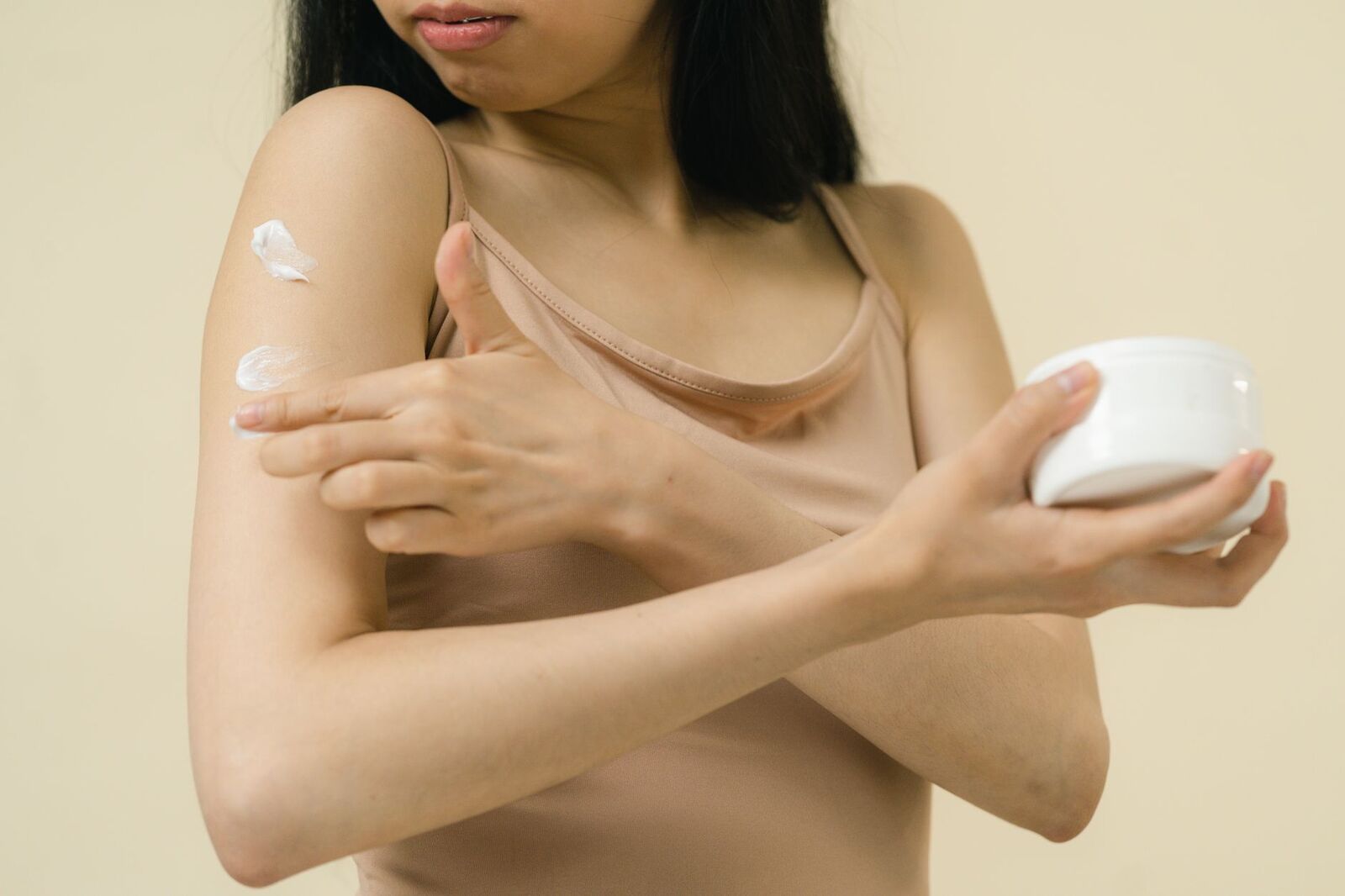
Once your artist says it is time to start moisturising (usually after the first day or two, depending on the dressing they used), apply a thin layer of a fragrance free aftercare cream or ointment. The AAD's general winter advice is to moisturise right after washing, which helps trap the water already in your skin, and to choose a cream or ointment over a thin lotion when skin is dry.
- Use a pea sized amount and rub it in until the skin no longer looks shiny. A thick, greasy layer can trap moisture and slow healing.
- You may need to moisturise a little more often than you would in summer, typically two or three times a day. Let your skin, not the clock, be your guide.
- Avoid perfumed body lotions until the tattoo has fully healed. Our guide to the best tattoo aftercare products lists simple options.
2. Keep showers short and warm, not hot
A long, hot shower feels wonderful on a cold morning, but hot water strips oils from the skin and softens scabs. Keep showers short and lukewarm, wash the tattoo gently with clean hands and a mild, unscented soap, pat it dry with a clean paper towel and then moisturise. Avoid baths, hot tubs and saunas until the tattoo has healed; we explain why in can you swim after a tattoo.
3. Choose soft, loose layers
Winter clothing is the biggest difference between summer and winter healing. Thick coats, tight jeans, thermal leggings and wool jumpers can rub a fresh tattoo for hours, pulling at scabs and irritating the skin.
- Wear a clean, soft cotton layer directly over the tattoo, then add warmer layers on top.
- Avoid scratchy wool and rough fabrics directly on the healing area.
- Choose loose sleeves and trousers for the first two weeks. Tight cuffs on a wrist or ankle tattoo are a common source of irritation.
- Change the layer touching the tattoo every day so it stays clean.
If your tattoo is on your foot or ankle, think about footwear before you book. Boots worn for long days can be a real problem in the first week.
4. Do not let the room become a desert
Central heating can make indoor air very dry, especially overnight. A humidifier in the bedroom, or simply not sleeping right next to a radiator, can help both your tattoo and the rest of your skin. Our guide on how to sleep with a new tattoo also covers bedding and positions.
5. Expect more itching, and do not scratch
Itching is a normal part of healing, and dry winter skin can make it stronger. Do not scratch or pick. Instead:
- Apply a thin layer of moisturiser.
- Gently tap or pat the area with a clean hand.
- Hold a clean, cool (not icy) compress against it for a few minutes.
If you are seeing heavy flaking, our guides to tattoo peeling day by day and the tattoo scabbing phase explain what is normal.
6. Winter sun is still sun
Low winter sun is weaker than summer sun in most places, but snow changes the picture. The World Health Organization notes that fresh snow can reflect as much as 80% of UV radiation, which is why skiers burn so easily. Altitude adds to the effect.
- Keep a healing tattoo covered with clothing outdoors. Do not put sunscreen on unhealed skin.
- Once it has fully healed, use a broad spectrum sunscreen on any tattoo that will be exposed, especially on the slopes. Our guide to sunscreen on tattoos explains when to start and what to choose.
7. Planning a ski trip or a winter holiday?
Leave at least two to three weeks between your appointment and any trip that involves heavy sweating, hot tubs, saunas, long flights or ski boots rubbing a new tattoo. Sweaty base layers and thermal kit can irritate fresh skin. Our guide to getting a tattoo before a holiday goes into more detail.
8. Know the warning signs
Cold weather does not cause infection, but cracked skin and dirty layers can let bacteria in. Increasing pain, heat, swelling, spreading redness, pus or fever after the first few days are not normal. See our guide to infected tattoo signs and contact a doctor if you are worried.
Is winter a good time to get a tattoo?
For most people, yes. Less sun, fewer swimming plans and easy coverage make winter healing simpler than summer healing, as long as you manage dry skin and friction. Many artists also have more availability in January and February, after the holiday rush. If you are budgeting for a piece in the new year, our tattoo cost calculator gives a realistic price range for your size and style.
Frequently asked questions
Do tattoos take longer to heal in winter?
Not in any major way for most people. The surface of a typical tattoo still looks healed in about two to four weeks, and deeper healing takes longer. Dry skin and friction from clothing can make the process more uncomfortable, so the aim is to prevent cracking and rubbing. Our tattoo healing timeline explains each stage.
Can cold weather damage a new tattoo?
Cold itself is not the problem. Dry air, cracked skin and rough clothing are. Keep the area lightly moisturised and covered with a soft, clean layer.
Should I cover my new tattoo in winter?
Yes, with loose, breathable clothing when you are outside. Do not wrap it in plastic film unless your artist has told you to for the first hours, and do not use tight bandages under heavy clothing.
Sources: American Academy of Dermatology, "Cold weather and your skin" and winter dry skin guidance; World Health Organization, ultraviolet radiation fact sheets.
News Tattoos
Tattoo enthusiast and writer at News Tattoos. Passionate about tattoo art, culture, and the stories behind the ink. Covering the global tattoo community since 2022.
Get one tattoo story a day on Telegram
New guides, meanings and tattoo news, straight to your phone. Free, no spam.
Keep reading
 Tattoo Aftercare & Tips
Sunscreen on Tattoos: When to Start and How to Stop Fading
 Tattoo Aftercare & Tips
Drinking Alcohol Before a Tattoo: Why It Is a Bad Idea
 Tattoo Aftercare & Tips
Working Out After a Tattoo: How Long to Wait Before the Gym
 Tattoo Aftercare & Tips
Tattoo Blowout: Causes, How to Tell It From Healing, and How to Fix It