
Can You Swim After a Tattoo? How Long to Wait for Pools, Sea and Hot Tubs
A new tattoo is an open wound, so pools, the sea and hot tubs can wait. How long to wait for each type of water, how to tell your tattoo is ready, and what to do if you cannot avoid getting wet.
 Save
Save
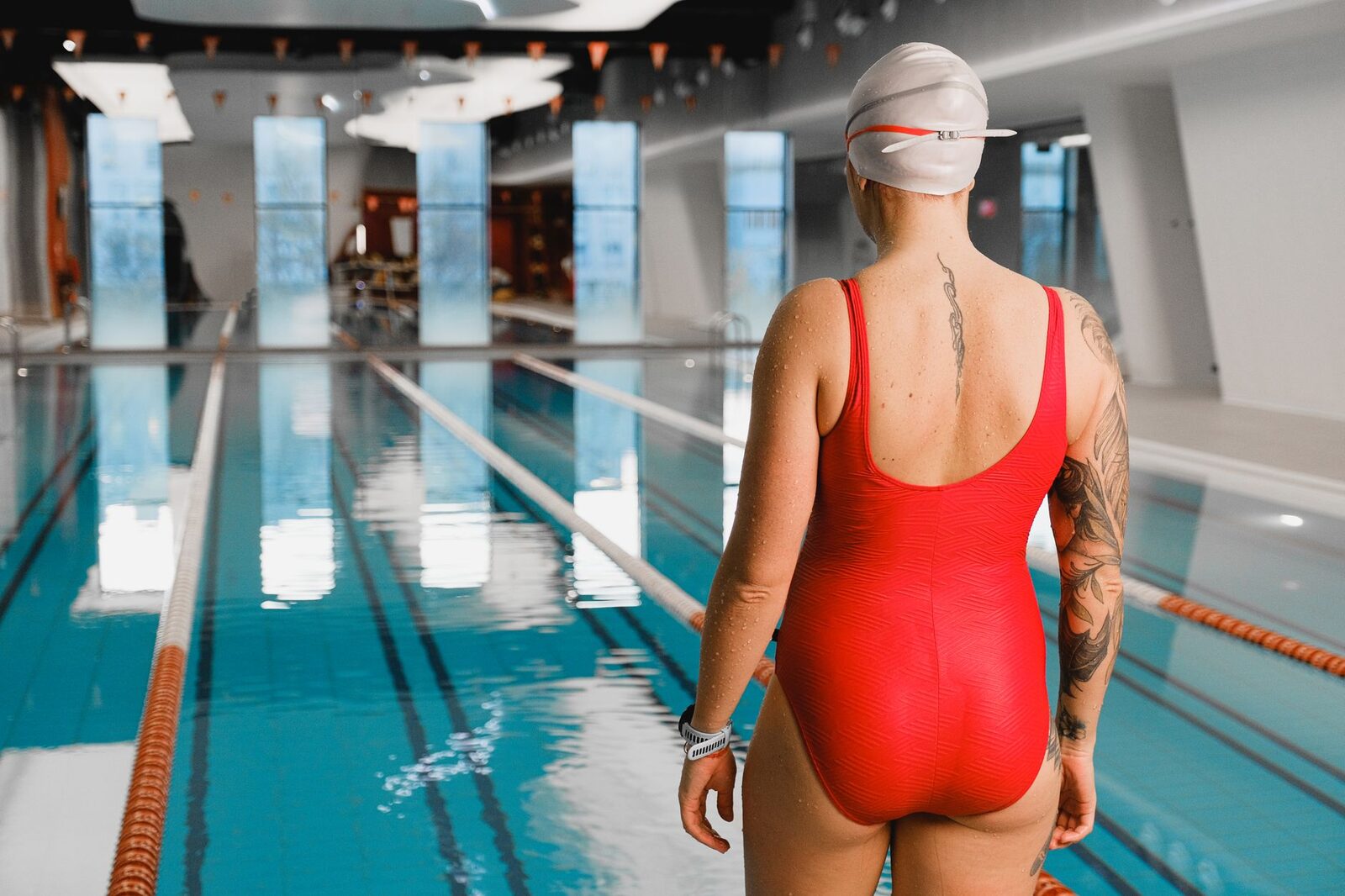
You have just got a new tattoo and the pool, the sea or a hot tub is calling. Can you swim after a tattoo? It is one of the most common aftercare questions, and the answer is simple: do not submerge a new tattoo until it has fully healed on the surface, which for most people means waiting at least two to four weeks.
Here is why swimming is such a risk for fresh ink, how long to wait for each type of water, and what to do if you cannot avoid getting wet.
Why you cannot swim with a new tattoo
A fresh tattoo is an open wound. Thousands of tiny punctures have been made in your skin, and until they close, anything in the water can get in.
- Infection. Pools, lakes, rivers, the sea and hot tubs all contain bacteria. A healing tattoo gives them an easy way into the skin.
- Chemical irritation. Chlorine and other pool chemicals can dry out and irritate healing skin.
- Soaking softens scabs. Long periods underwater make scabs soft and loose, so they can come away too early and pull ink with them, leaving patchy areas.
- Sun exposure. Swimming usually means sunshine, and UV light is hard on healing skin and fresh pigment.
Showering is fine. A quick rinse is not the same as soaking, and keeping the tattoo clean is part of good aftercare. The problem is submerging it for long periods.
How long to wait before swimming
Every tattoo and every body heals at a different speed, so treat these as minimums, not targets:
- Chlorinated pool: wait at least two to three weeks, and only once all scabbing and peeling has finished.
- Sea, lakes and rivers: wait at least three to four weeks. Natural water carries more bacteria than a treated pool.
- Hot tubs and spas: wait until the tattoo is completely healed. Warm water is ideal for bacteria to grow, and heat can increase irritation.
- Baths: short, shallow baths where the tattoo stays out of the water are fine. Avoid long soaks until the surface has healed.
Large pieces, heavily shaded areas and colour work often take longer than small linework. Always follow the aftercare advice your own artist gives you, as they know the work they did.
How to tell your tattoo is ready
Your tattoo is usually safe to swim with when:
- All scabs and flakes have come away on their own.
- There are no open, weeping or shiny raw areas.
- The skin is no longer red, swollen or tender to touch.
- The surface feels smooth, even if the tattoo still looks slightly cloudy.
That cloudy, milky stage is normal and means the deeper layers are still settling. Our guide to why a tattoo looks faded after peeling explains it, and our tattoo healing timeline shows what happens week by week.
What about waterproof film like Saniderm or second skin?
Adhesive film dressings are designed to protect a tattoo in the first days and keep out everyday dirt and bacteria. They are not designed for swimming. Water can creep under the edges, especially with movement, and chlorine or salt water can loosen the adhesive. Most artists advise against swimming even with a film on.
If you really cannot avoid the water
Sometimes a holiday or a work commitment makes it hard. If you must get in:
- Keep it as short as possible, a few minutes rather than an afternoon.
- Cover the tattoo with a waterproof dressing, accepting it is not foolproof.
- Rinse the tattoo with clean tap water and a mild, fragrance-free soap straight afterwards.
- Pat it dry with a clean paper towel and apply a thin layer of your usual aftercare product.
- Keep it out of the sun.
The better plan is to book your tattoo at least a month before any beach trip. See our guide to getting a tattoo before a holiday.
Signs something is wrong after swimming
Some redness and itching is normal while a tattoo heals. Contact a doctor if you notice redness that is spreading, increasing pain or swelling, pus, a fever or feeling generally unwell. These can be signs of infection and need prompt treatment.
New to tattoos? Start with our first tattoo guide.
Advice reflects general tattoo aftercare guidance, including the Texas Department of State Health Services tattoo aftercare sheet and the American Academy of Dermatology's advice on caring for tattooed skin. It is not a substitute for medical advice.
News Tattoos
Tattoo enthusiast and writer at News Tattoos. Passionate about tattoo art, culture, and the stories behind the ink. Covering the global tattoo community since 2022.
Get one tattoo story a day on Telegram
New guides, meanings and tattoo news, straight to your phone. Free, no spam.
Keep reading
 Tattoo Aftercare & Tips
Why Does My Tattoo Look Faded After Peeling? The Cloudy Stage Explained
Tattoo Aftercare & Tips
Why Does My Tattoo Look Faded After Peeling? The Cloudy Stage Explained
 Tattoo Inspiration & Ideas
Fine Line Tattoos After 10 Years: How They Really Age
Tattoo Inspiration & Ideas
Fine Line Tattoos After 10 Years: How They Really Age
 Tattoo Aftercare & Tips
Getting a Tattoo Before a Holiday: Sun, Swimming and Flights
Tattoo Aftercare & Tips
Getting a Tattoo Before a Holiday: Sun, Swimming and Flights
 Tattoo Aftercare & Tips
Why Does My Old Tattoo Itch Years Later? Causes and Relief
Tattoo Aftercare & Tips
Why Does My Old Tattoo Itch Years Later? Causes and Relief