
Tattoo Numbing Cream: Does It Work and Is It Safe?
Numbing creams can take the edge off a painful tattoo, but they are medicines, not cosmetics. Here is how they work, what the FDA has warned about and how to talk to your artist.
 Save
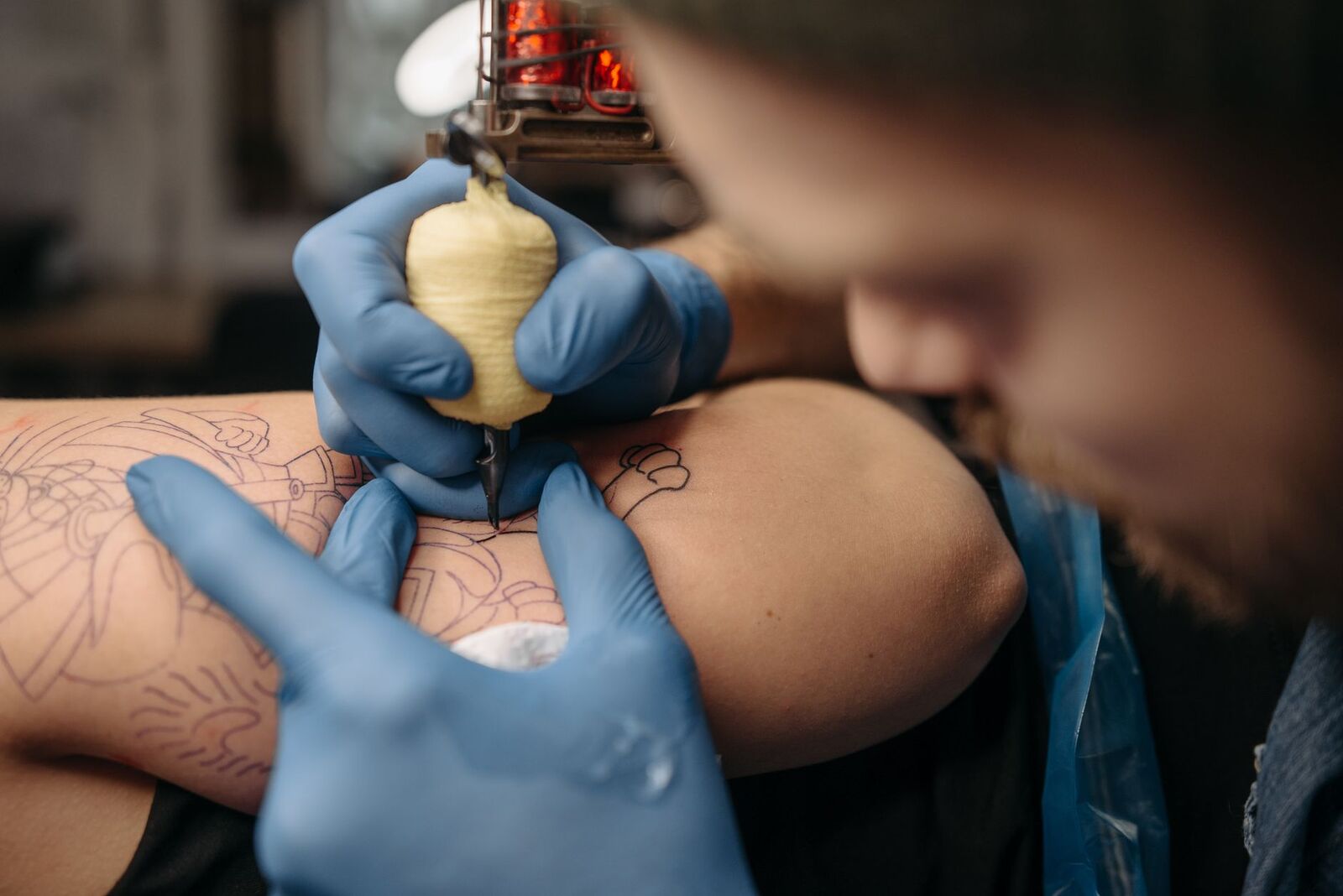
If you are nervous about pain, a tube of numbing cream can look like the perfect answer. Pharmacies and online shops sell creams that promise a pain free tattoo, and plenty of people swear by them, especially for ribs, feet and long sessions. But numbing creams are medicines, not beauty products, and using them badly can range from pointless to dangerous.
Here is how tattoo numbing cream works, what the risks are and how to use one safely if you and your artist agree it is a good idea.
How numbing creams work
Most tattoo numbing creams contain a local anaesthetic such as lidocaine, sometimes combined with prilocaine, tetracaine or benzocaine. These drugs block nerve signals in the skin for a limited time. You apply the cream before the session, wait for it to soak in, and the top layers of skin feel duller.
What numbing cream cannot do is make the whole session painless. Effects usually fade over the course of a session, the vibration and pressure of the machine can still be felt, and some areas hurt because of bone and deep nerves that a surface cream does not reach. Our guide to tattoo pain by body part explains why some spots hurt more than others, and the tattoo pain chart lets you compare them.
Is tattoo numbing cream safe?
Used as directed on a small area, an over the counter lidocaine cream is generally considered low risk for healthy adults. The danger comes from using too much, over too large an area, for too long, or in a way that makes the body absorb more of the drug.
The US Food and Drug Administration (FDA) has issued public health advisories about topical anaesthetics used before cosmetic procedures. In 2007 it reported the deaths of two young women who had applied high strength creams containing lidocaine and tetracaine before laser hair removal; both had covered their legs with plastic wrap to increase the effect. A wider advisory in 2009 warned that these creams can cause irregular heartbeat, seizures, breathing difficulties, coma and even death when too much is absorbed.
The FDA's advice for people using them before cosmetic procedures included:
- Use the lowest strength that works.
- Apply it sparingly, only to the area that needs it.
- Do not apply it to broken or irritated skin.
- Do not wrap the skin in plastic or apply heat unless a doctor tells you to.
- Talk to a healthcare professional first, especially for large areas.
Large tattoos are exactly the situation those warnings describe: a big area of skin, a long session and a strong urge to use plenty of cream. If you are planning a back piece or a full sleeve, numbing cream is a conversation for your doctor or pharmacist as well as your artist.
Who should not use numbing cream
Speak to a doctor or pharmacist before using any numbing product if you:
- Are pregnant or breastfeeding.
- Have a heart condition, liver problems or a history of seizures.
- Have ever reacted badly to a local anaesthetic at the dentist.
- Take other medicines, especially heart rhythm drugs.
- Have broken, sunburned or irritated skin where you are being tattooed.
Always read the patient leaflet. Different products have different strengths, application times and maximum areas.
What tattoo artists think
Opinions vary. Some artists are happy for clients to use numbing creams, particularly on painful spots. Others prefer that clients do not, because some say the skin can feel different to work on and the effect can wear off unevenly halfway through a session. Almost all of them want to know in advance.
- Ask before your appointment. Never turn up already numbed without telling your artist.
- Ask what they recommend. Some studios have a preferred product, or none at all.
- Do not be offended if they say no. It is their working surface and their professional judgement.
How to use numbing cream safely
- Patch test it on a small area a few days before your session to check for irritation or allergy.
- Follow the leaflet exactly for the amount, the area and the time to leave it on.
- Cover only the area being tattooed. More cream does not mean less pain.
- Do not add heat and do not wrap the area unless the product instructions specifically tell you to and your doctor agrees.
- Remove it as directed or let your artist clean the area before they start.
- Stop and get help if you feel dizzy, confused, have a racing or irregular heartbeat or trouble breathing.
Ways to make a tattoo hurt less without cream
Numbing cream is not the only way to make a session easier, and some of the most effective tricks cost nothing.
- Sleep well and eat a proper meal before your appointment. Low blood sugar makes pain and fainting worse.
- Skip alcohol the night before. It can increase bleeding and does not help with pain; we explain why in drinking alcohol before a tattoo.
- Choose your placement wisely. Fleshy areas like the outer arm, thigh and calf are usually easier for a first tattoo.
- Keep sessions shorter and split large pieces into several appointments.
- Breathe slowly, bring headphones and ask for short breaks.
If this will be your first tattoo, our first tattoo guide walks through the whole process from booking to healing.
Does numbing cream affect healing?
There is little good research on this. Some people report more swelling or a slightly different healing experience; others notice nothing. Follow normal aftercare and watch for signs of trouble, which we cover in infected tattoo signs.
Frequently asked questions
Does tattoo numbing cream really work?
It can reduce the sharp, surface pain for part of a session, especially at the start. It rarely makes a tattoo completely painless, and the effect fades over time.
How long does numbing cream last for a tattoo?
It depends on the product and how long it was left on. Many people find the effect wears off during a longer session, so it helps most for short pieces.
Can I buy tattoo numbing cream at a pharmacy?
Yes. Lower strength lidocaine creams are sold over the counter in many countries, including the UK and the US. Higher strength products and some combinations need a prescription. Ask the pharmacist which is appropriate for the size of your tattoo.
Is it rude to use numbing cream for a tattoo?
No, but it is rude not to ask first. Tell your artist when you book.
Sources: US Food and Drug Administration public health advisories on topical anaesthetics (February 2007 and January 2009), as reported by NBC News and Occupational Health & Safety; product patient information leaflets.
News Tattoos
Tattoo enthusiast and writer at News Tattoos. Passionate about tattoo art, culture, and the stories behind the ink. Covering the global tattoo community since 2022.
Get one tattoo story a day on Telegram
New guides, meanings and tattoo news, straight to your phone. Free, no spam.
Keep reading
 Tattoo Aftercare & Tips
Drinking Alcohol Before a Tattoo: Why It Is a Bad Idea
 Tattoo Aftercare & Tips
Infected Tattoo Signs: How to Tell Normal Healing From Infection
 Tattoo Aftercare & Tips
Why Does My Old Tattoo Itch Years Later? Causes and Relief
 Tattoo Aftercare & Tips
Tattoos and MRI Scans: Is It Safe? What the Research Says