World War II Tattoo History: How War Popularized Body Art
There's something fascinating about how major historical events shape culture in ways nobody expects. World War II is one of those moments that completely transformed tattoo culture in America, and honestly, it's a story every tattoo lover should kno...
News Tattoos
June 8, 20264 min read7 views
📷 Image source: pixabay.com
— Used for editorial purposes under fair use. DMCA.
There's something fascinating about how major historical events shape culture in ways nobody expects. World War II is one of those moments that completely transformed tattoo culture in America, and honestly, it's a story every tattoo lover should know. If you've ever wondered why tattoos became so mainstream in Western culture, the answer partly lies in the armed forces during the 1940s.
Before World War II, tattoos in America were largely confined to sailors, circus performers, and people on the fringes of society. They carried a real stigma, honestly. Getting inked was seen as rebellious, dangerous, or a sign that you were somehow outside the mainstream. But then something incredible happened: millions of young men entered the military, and suddenly tattoos became part of military culture. That shift changed everything.
Tattoos as Patriotic Symbols During Wartime
When young Americans enlisted or were drafted into the military, many of them got tattoos as a way to mark their service and show their patriotism. Think about it: these guys were leaving their hometowns, many of them just teenagers, heading into unknown danger. Getting a tattoo was a tangible way to commemorate that moment, to mark themselves as soldiers, and to feel like they were part of something bigger than themselves.
Military tattoos took on specific meanings too. Soldiers got their unit numbers, insignias from their branches of service, or patriotic symbols like eagles and flags. Some got tattoos with the names of loved ones back home. These weren't frivolous decorations; they were deeply personal marks that represented duty, brotherhood, and sacrifice. The designs reflected the pride these men felt in serving their country during humanity's greatest conflict.
What made this moment so culturally significant was the sheer volume of people getting tattooed. We're talking millions of servicemen. That's a massive shift in adoption rates. When that many "normal" guys, from all walks of life, came back home with tattoos, suddenly the stigma started cracking. These weren't circus freaks or social outcasts anymore; they were heroes, veterans, everyday Americans who happened to have tattoos.
The Post-War Tattoo Renaissance
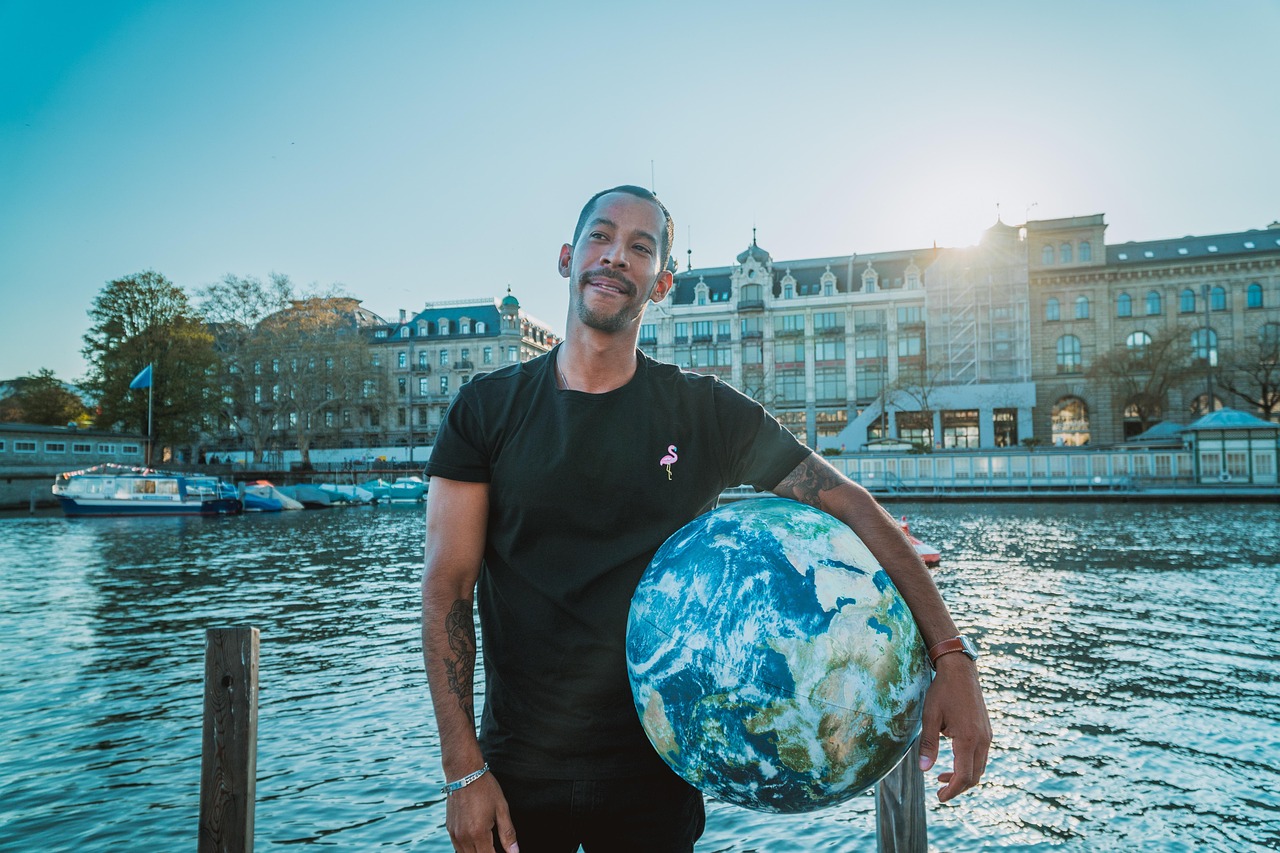
Photo by Peggy_Marco on Pixabay — Pixabay License (free for commercial use, no attribution required)
After the war ended in 1945, these millions of veterans returned home with their tattoos proudly displayed. Many of them became civilians who worked regular jobs, started families, and integrated back into their communities. They were teachers, businessmen, fathers, and neighbors, all while wearing their military tattoos like badges of honor. Society couldn't just dismiss them as deviants anymore.
Tattoo artists who had set up shop near military bases during the war suddenly found themselves with a thriving civilian clientele. Veterans wanted touch-ups, wanted to add to their existing pieces, or wanted to commemorate their military service in new ways. This demand created a stronger, more established tattoo industry in America than had existed before.
The cultural perception shifted gradually but noticeably. While tattoos still weren't universally accepted, they became normalized in a way they never had been before. You could see a decorated war veteran in a three-piece suit and know he had tattoos underneath. That cognitive dissonance between mainstream respectability and body art changed how Americans thought about tattoos.
The legacy of World War II on tattoo culture is genuinely one of the coolest intersections of history and body art. Without that wartime explosion in military tattoos, the path to modern tattoo acceptance would have looked completely different. It's a powerful reminder that sometimes the biggest cultural shifts come from unexpected places, and that the stories behind our tattoos connect us to larger historical moments. Pretty incredible when you think about it!
Tattoo enthusiast and writer at News Tattoos. Passionate about tattoo art, culture, and the stories behind the ink. Covering the global tattoo community since 2022.
✍️ Written with passion•📅 June 8, 2026•⏱️ 4 min read