World War II Tattoo History and Military Ink Culture
When you think about tattoos and their place in modern culture, it's wild to realize that a massive shift in how society viewed ink happened because of World War II. This is one of those fascinating historical moments where a global conflict actually...
News Tattoos
June 15, 20264 min read42 views
📷 Image source: pixabay.com
— Used for editorial purposes under fair use. DMCA.
Advertisement
When you think about tattoos and their place in modern culture, it's wild to realize that a massive shift in how society viewed ink happened because of World War II. This is one of those fascinating historical moments where a global conflict actually changed what became socially acceptable, and honestly, it's a story every tattoo lover should know.
Before the 1940s, tattoos carried a pretty rough reputation in mainstream America. They were seen as something associated with sailors, circus performers, criminals, and people outside respectable society. Your grandmother probably would have clutched her pearls at the thought of a family member getting tattooed. But then World War II happened, and everything shifted in ways that nobody really expected.
The Wartime Tattoo Boom
When millions of American men enlisted and were drafted into military service during World War II, something interesting happened on military bases across the country. Getting a tattoo became practically routine. Young soldiers, many of them away from home for the first time and facing uncertainty about their futures, would head into town and get inked. They'd commemorate their units, their sweethearts back home, their branches of service, or simply mark the experience of being part of something massive and historical.
Tattoo shops literally set up operations right outside military bases because the demand was absolutely exploding. These weren't fancy custom designs either; these were bold, straightforward pieces that could be done quickly. Military tattoos had their own aesthetic and purpose. A soldier might get their unit insignia, a pin-up girl, an anchor, a sweetheart's name, or their initials combined with their service number. These tattoos served as permanent reminders of their service and, frankly, as badges of belonging to the military community.
The sheer volume of soldiers getting tattooed during these years was staggering. We're talking about millions of men participating in what had previously been considered a fringe activity. This mass normalization of tattoos meant that when these soldiers came home, they carried their ink with them into civilian life. Suddenly, your neighbor, your coworker, your mailman, or your doctor might have a tattoo. It was impossible to ignore or dismiss anymore.
How Veterans Changed Social Attitudes
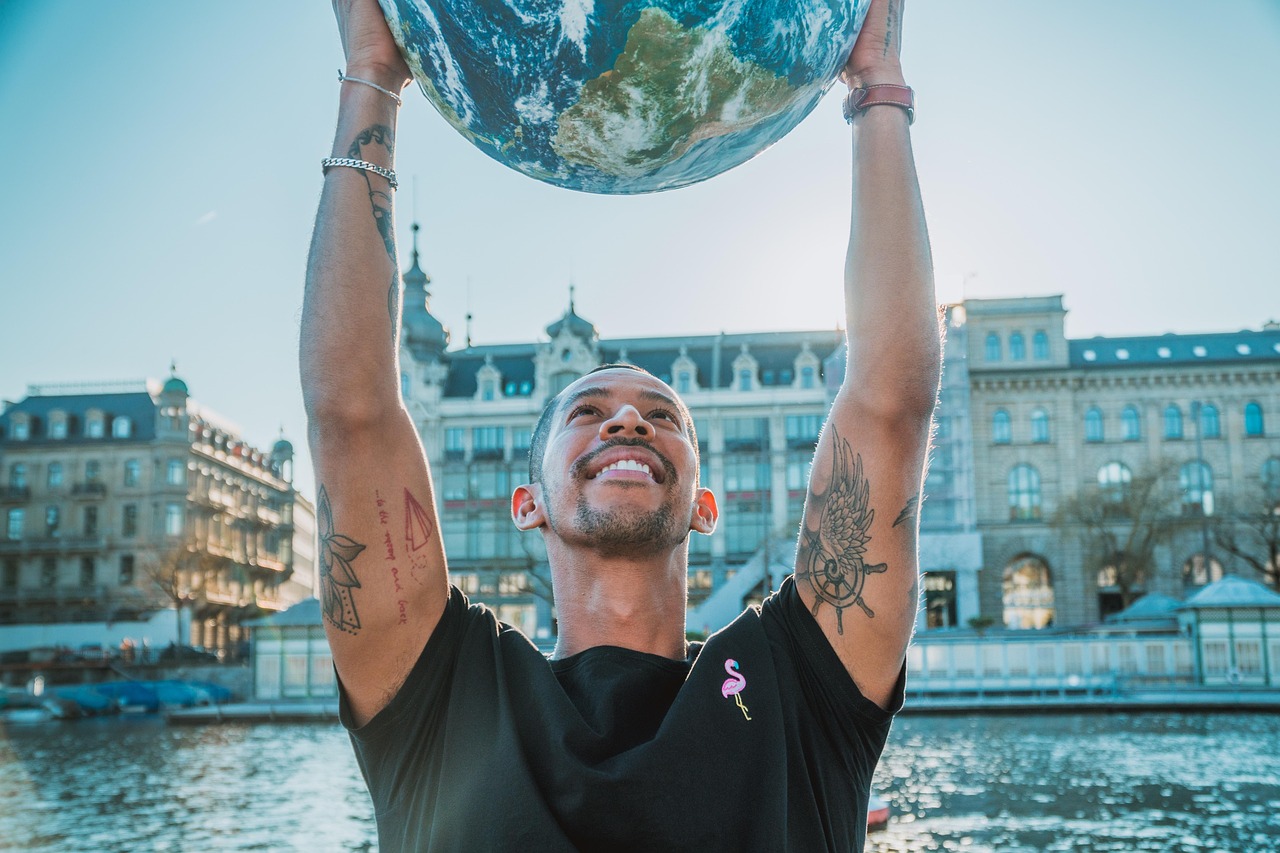
Photo by Peggy_Marco on Pixabay — Pixabay License (free for commercial use, no attribution required)
What made this shift particularly powerful was the respect and honor associated with military service. These weren't criminals or outcasts getting tattooed; these were heroes coming back from war. American society had a newfound respect for veterans, and that respect extended to the tattoos they wore. If a decorated war hero had a tattoo, well, maybe tattoos weren't the mark of disrepute that previous generations had believed.
The cultural narrative around tattoos started shifting right alongside returning veterans. What had been seen as rebellious or morally questionable suddenly seemed patriotic and meaningful. Tattoo artists who had been working in the shadows and sketchy back rooms found themselves becoming more visible and established. The craft itself began to be taken more seriously because it was connected to this massive, respected population of veterans.
This period really set the stage for everything that came after. The tattoo artists of the postwar era began refining their craft and establishing actual traditions and standards. The respect for military tattoos eventually helped legitimize tattoos in general, paving the way for the artistic renaissance we've seen over the past few decades.
Understanding this history makes you appreciate how tattoos became what they are today. World War II didn't just change the world geopolitically; it fundamentally transformed how tattoos were perceived in American culture. Every time you see someone proudly displaying their ink, you're witnessing the legacy of that wartime shift in attitudes. That's pretty incredible when you think about it.
Tattoo enthusiast and writer at News Tattoos. Passionate about tattoo art, culture, and the stories behind the ink. Covering the global tattoo community since 2022.
✍️ Written with passion•📅 June 15, 2026•⏱️ 4 min read