
Temporary Tattoos: Types, How Long They Last and What to Avoid
Transfer decals, henna, jagua and airbrush tattoos compared, how long each lasts, why black henna is dangerous, and how to use a temporary tattoo to test a design before getting the real thing.
 Save
Save
Temporary tattoos have come a long way from the lick-and-stick transfers in cereal boxes. Today there are realistic decals, plant-based stains that develop overnight, airbrushed designs and even henna artists at weddings and festivals.
They are a great way to wear art for an event, or to test a design and placement before committing to the real thing. But not all temporary tattoos are equally safe, and one type in particular can leave permanent damage. Here is how the different kinds work, how long they last, and what to avoid.
The main types of temporary tattoo
Transfer decals
The classic kind: a printed design on backing paper that you press onto skin with water. Modern versions are thinner and far more realistic than they used to be.
- How long: usually a few days, depending on placement and how much the area is washed or rubbed.
- Best for: events, festivals, kids, and quickly checking how a design looks on your body.
- Removal: an oil-based cleanser, baby oil or makeup remover usually lifts them.
Henna
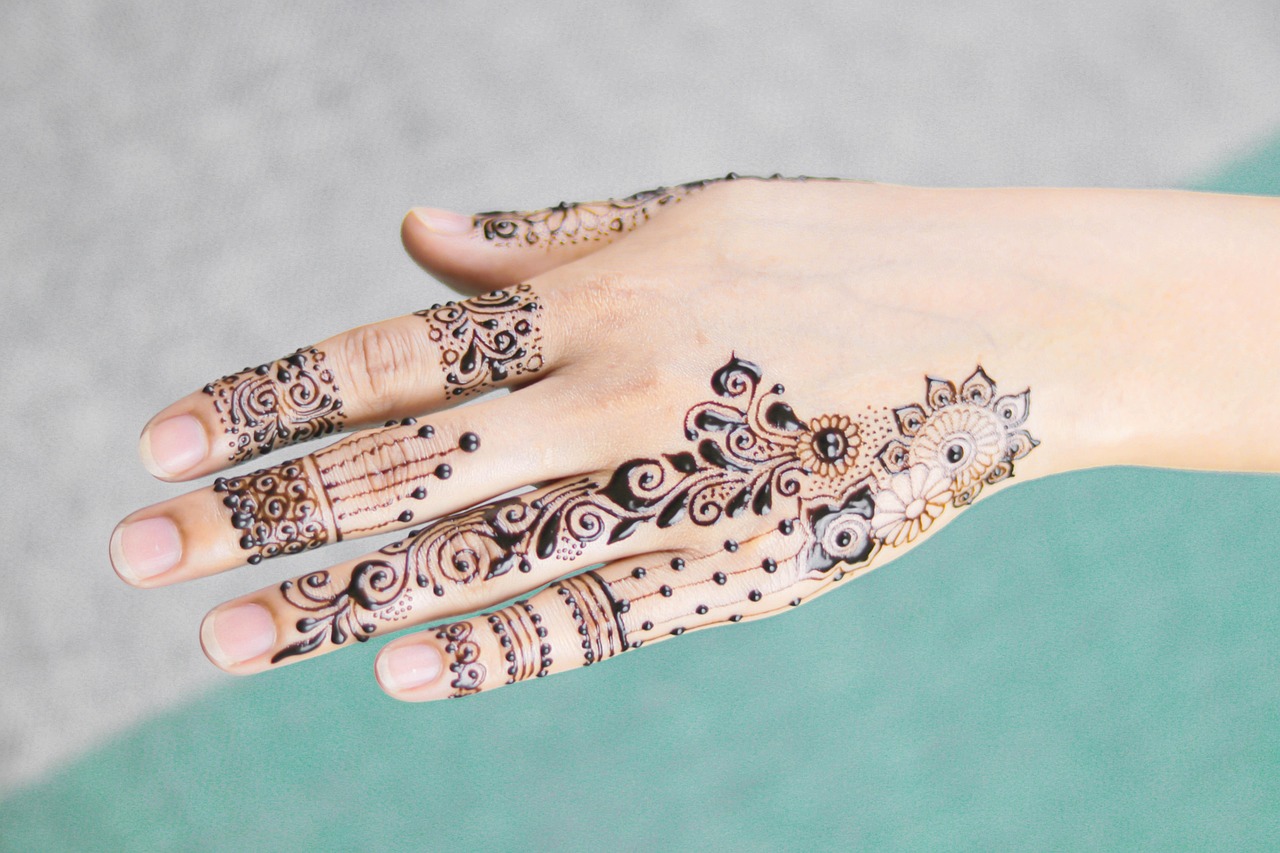
A paste made from the leaves of the henna plant, applied by hand. It stains the top layer of skin orange to reddish brown, darkening over a day or two.
- How long: typically one to three weeks.
- Best for: intricate, hand-drawn designs and cultural celebrations such as weddings and Eid.
We cover it in depth, including aftercare, in our guide to henna tattoos.
Jagua
A gel made from the fruit of the Genipa americana tree, traditionally used for body art in Central and South America. It develops over roughly a day into a blue-black stain that looks much closer to real tattoo ink than henna does.
- How long: around one to two weeks.
- Best for: people who want a dark, realistic look for a trial run.
Many "semi-permanent" tattoo products sold online use a jagua-based formula. They fade as the skin naturally renews, rather than lasting a year as some marketing implies.
Airbrush tattoos
Designs sprayed through a stencil using cosmetic body paint or alcohol-based inks, often seen at fairs and parties.
- How long: from a day to around a week, depending on the product.
- Best for: bold designs, colour and large areas done quickly.
Body markers and pens
Skin-safe cosmetic markers let you draw your own designs. They are ideal for sketching an idea on yourself before visiting a tattoo artist, and usually last a day or two.
The one to avoid: "black henna"
This is the most important safety point. Natural henna can only stain skin orange, brown or reddish brown. It cannot produce a jet black design in a few minutes.
So-called "black henna," often offered at holiday resorts, beach stalls and markets, may contain p-phenylenediamine (PPD), a coal-tar hair dye. According to the US Food and Drug Administration, PPD can cause dangerous skin reactions and is not approved for direct application to skin. Reactions can include blistering and scarring in the shape of the design, and once sensitised, a person may react to PPD for life, including in hair dyes.
If a "henna" artist offers black paste that works quickly, walk away.
How to use temporary tattoos safely
- Buy from reputable sellers that list ingredients. The FDA regulates temporary tattoos as cosmetics in the US, and colour additives used in them are required to be approved for that use.
- Patch test first on a small, discreet area, especially for children or people with sensitive skin or allergies.
- Do not apply over broken, sunburnt, irritated or freshly tattooed skin. A real tattoo needs to heal fully first; our tattoo healing timeline explains how long that takes.
- Keep them away from the eyes and follow the product's directions for use on the face.
- Stop and remove the tattoo if you notice itching, redness or swelling, and see a doctor or pharmacist if a reaction develops.
Using temporary tattoos to plan a real one
This is where temporary tattoos are genuinely valuable. Before committing to permanent ink, try:
- Testing placement: see how a design sits on your wrist versus your forearm, and how it moves with your body.
- Testing size: print your design at a few sizes and wear each one for a day.
- Living with it: wear a jagua version for a week or two. If you still love it every morning, that is a good sign. If you are relieved when it fades, you have saved yourself a very expensive mistake.
Rushed decisions come up again and again in what people regret about their tattoos, and a trial run is one of the easiest ways to avoid them. When you are ready for the real thing, our guides to tattoo prices and tattoo red flags will help you book with confidence.
News Tattoos
Tattoo enthusiast and writer at News Tattoos. Passionate about tattoo art, culture, and the stories behind the ink. Covering the global tattoo community since 2022.
Get one tattoo story a day on Telegram
New guides, meanings and tattoo news, straight to your phone. Free, no spam.
Keep reading
 Tattoo Aftercare & Tips
How to Sleep With a New Tattoo: Positions and Bedding Tips
Tattoo Aftercare & Tips
How to Sleep With a New Tattoo: Positions and Bedding Tips
 Tattoo Inspiration & Ideas
Fine Line Tattoos After 10 Years: How They Really Age
Tattoo Inspiration & Ideas
Fine Line Tattoos After 10 Years: How They Really Age
 Tattoo Aftercare & Tips
First Tattoo Guide: Everything to Know Before Your First Tattoo
Tattoo Aftercare & Tips
First Tattoo Guide: Everything to Know Before Your First Tattoo
 Tattoo Aftercare & Tips
How Much Does a Tattoo Cost? An Honest Guide to Tattoo Prices
Tattoo Aftercare & Tips
How Much Does a Tattoo Cost? An Honest Guide to Tattoo Prices