
Can Tattoos Stop You Getting a Job? The Real Truth
One of the biggest questions people wrestle with before getting a visible tattoo is whether it'll actually affect their career prospects.
 Save
Save
Can tattoos stop you getting a job? For most people today, the honest answer is that it depends on the industry and the employer.
One of the biggest questions people wrestle with before getting a visible tattoo is whether it'll actually affect their career prospects. It's a legitimate concern, and honestly, it's a conversation I've heard countless times in tattoo shops and online forums. The reality? It's complicated, and the answer really depends on where you want to work, what industry you're in, and how attitudes are shifting around us.
The Reality of Tattoos and Job Employment Today
Let's be real: tattoos and job employment have a complicated history. For decades, visible tattoos could genuinely tank your chances at landing certain positions, especially in conservative industries like law, finance, and corporate management. The perception was clear, hiring managers had strong biases, and if your tattoo was visible, you might not even get past the initial screening.
But here's what's exciting. Things are genuinely changing. Research shows that younger hiring managers and emerging companies are far more accepting of tattoos than previous generations were. Some studies indicate that nearly 40% of people aged 18 to 35 have at least one tattoo, which means tattoos are becoming normalized in the workforce. When that many people in your industry have ink, it becomes harder to discriminate based on it.
That said, context absolutely matters. A small, easily concealable tattoo is worlds different from full sleeve coverage or neck and hand tattoos when it comes to traditional workplace discrimination. The visibility factor still plays a huge role in whether employers will judge you unfairly.
Industry Differences: Where Your Tattoo Matters Most
Creative industries like design, advertising, music, and fashion? These fields have generally embraced tattoos for years. Your sleeve or chest piece won't hurt you here, and honestly, it might even be seen as a sign of individuality and confidence. I've talked to countless tattoo artists, graphic designers, and musicians who say their ink helped them stand out and connect with their audiences.
Healthcare professions present a middle ground. While some hospitals and clinics still have strict policies about visible tattoos requiring coverage, many are loosening restrictions. Nurses, therapists, and even some doctors now openly display their tattoos without consequence. The key difference is whether the workplace culture values professionalism through appearance policing versus professionalism through actual competence.
Conservative sectors like law, banking, and corporate finance remain trickier territory. While attitudes are softening even here, many traditional firms still expect visible tattoos to be covered or avoided altogether. If you're targeting these industries specifically, strategic placement of your tattoo matters.
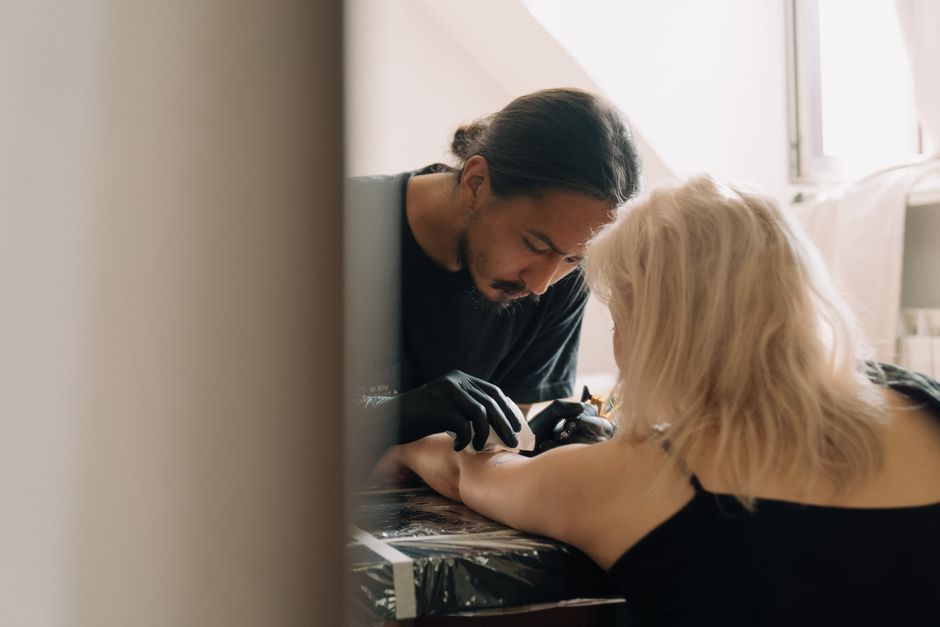
Service and retail positions have become surprisingly tattoo-friendly. Major retailers and restaurant chains have updated their dress codes to be more inclusive. What mattered fifteen years ago simply doesn't apply now in many of these workplaces.
What You Should Actually Know Before You Decide
Here's my honest take after being passionate about tattoos for over fifteen years: the question isn't really "will my tattoo stop me from getting a job?" It's more accurately "which jobs might have issues with my visible tattoo, and am I okay with that tradeoff?"
If you're genuinely concerned, consider placement carefully. Visible areas like hands, neck, and face carry more risk in traditional industries than forearms, calves, or chest pieces you can cover with regular clothing. You can always choose to cover your tattoo for interviews and work in conservative fields, then express yourself more freely elsewhere.
The truth is that most people who get tattoos don't experience serious career setbacks because of them. Discrimination absolutely still exists, and it's worth acknowledging, but it's becoming less common as societal attitudes shift. Employers are increasingly recognizing that hiring talented people matters far more than enforcing outdated appearance standards.
Your tattoo is part of your story and your self-expression. While it's smart to think strategically about placement and visibility based on your career goals, don't let fear prevent you from getting ink that matters to you. The workplace is evolving, and chances are good that your tattoo won't be the barrier you feared it might be.
Featured image: Photo by cottonbro studio on Pexels, Pexels License (free for commercial use)
Inline image: Photo by cottonbro studio on Pexels, Pexels License (free for commercial use)
Original story: news.google.com
Related reading: the rise of face tattoos, an Air Force sergeant who tattoos and our first tattoo guide.
News Tattoos
Tattoo enthusiast and writer at News Tattoos. Passionate about tattoo art, culture, and the stories behind the ink. Covering the global tattoo community since 2022.
Get one tattoo story a day on Telegram
New guides, meanings and tattoo news, straight to your phone. Free, no spam.
Keep reading
 Tattoo Culture & History
Tā Moko: The Meaning of Māori Tattoos and How to Respect Them
Tattoo Culture & History
Tā Moko: The Meaning of Māori Tattoos and How to Respect Them
 Tattoo Culture & History
Tattoo History in America: From Sailors to the Mainstream
Tattoo Culture & History
Tattoo History in America: From Sailors to the Mainstream
 Tattoo Culture & History
Batok: The History of Filipino Tattooing and Apo Whang-Od
Tattoo Culture & History
Batok: The History of Filipino Tattooing and Apo Whang-Od
 Tattoo Culture & History
Sailor Tattoo Meanings: Swallows, Anchors, Nautical Stars and Hold Fast
Tattoo Culture & History
Sailor Tattoo Meanings: Swallows, Anchors, Nautical Stars and Hold Fast