
Japan Onsen Tattoo Rules: Can You Visit Hot Springs With Tattoos?
Many Japanese hot springs still turn away tattooed guests, but options are growing. Why onsen ban tattoos, what the Japan Tourism Agency found, and five ways travellers with tattoos can still enjoy a soak.
 Save
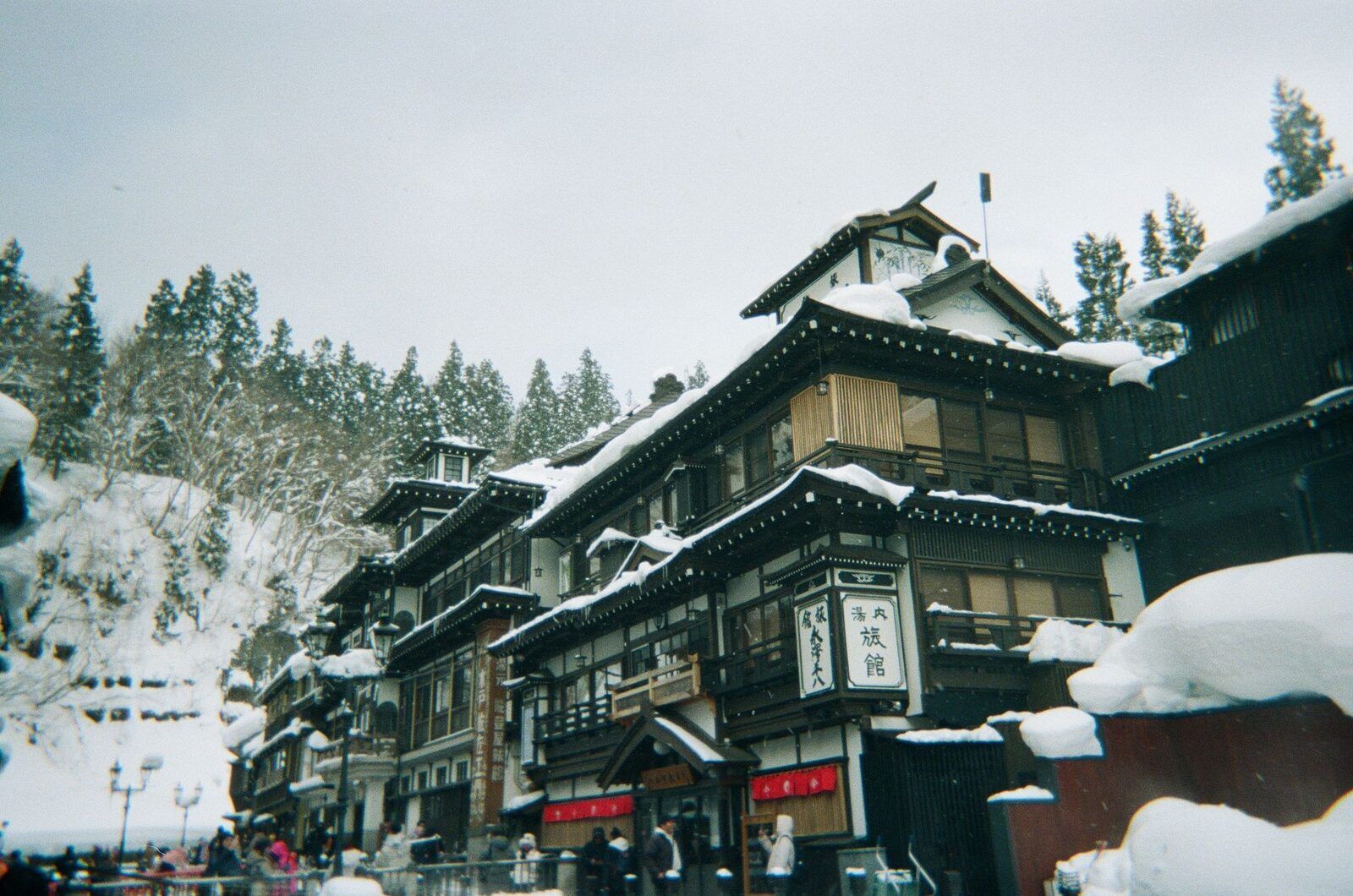
Japan is one of the world's most popular travel destinations, and a soak in an onsen, a natural hot spring bath, is high on many visitors' lists. If you have tattoos, you may have heard you will be turned away. That is still true at many places, but the picture is changing, and there are plenty of ways to enjoy an onsen with ink. Japan's onsen tattoo rules are set by each facility, so they vary from place to place.
Here is why tattoos are restricted, how common the bans are, and the practical options for tattooed travellers.
Why many onsen ban tattoos
Tattoos have a complicated history in Japan. During parts of the Edo period, tattooing was used to mark criminals, and in the modern era tattoos became strongly associated with the yakuza, Japan's organised crime groups. Many public baths, gyms and pools introduced "no tattoo" rules to keep gang members away and to make other guests, particularly families, feel comfortable.
Those rules usually apply to everyone, whether your tattoo is a full Japanese bodysuit or a tiny heart on your ankle. For more on this history, read our guide to Japanese tattoos, the yakuza and modern culture.
How common are tattoo bans?
In 2015, the Japan Tourism Agency surveyed accommodation and bathing facilities about their tattoo policies as international visitor numbers grew. More than half of the facilities that responded said they refused entry to people with tattoos, while others allowed tattooed guests or accepted them if the tattoo was covered.
Since then, the government and tourism bodies have encouraged operators to find ways to welcome tattooed visitors, such as offering cover stickers or private bathing times. Policies are decided by each business, so they still vary from place to place.
Five ways to enjoy an onsen with tattoos
1. Choose a tattoo-friendly onsen
A growing number of facilities openly welcome tattoos. Kinosaki Onsen, a historic hot spring town in Hyogo Prefecture, is often cited as welcoming tattooed visitors at its public bathhouses. Tattoo-friendly listings and travel sites can help you find others, but always check the facility's own website or ask directly, because policies change.
2. Cover small tattoos
Some onsen allow tattoos that can be completely covered with a skin-coloured patch or sticker. The Japan National Tourism Organization notes that these seals can be bought at retailers such as Don Quijote and are sometimes available at the facility itself. This only works for small tattoos, and the facility has to agree.
3. Book a private bath
A kashikiri bath is a private hot spring bath you can reserve for yourself, your partner or your group. Because no other guests are present, tattoos are rarely an issue. Many ryokan, traditional inns, offer them.
4. Stay in a room with its own bath
Some ryokan and hotels have rooms with a private open-air bath, called a rotenburo. It is more expensive, but you can soak whenever you like.
5. Ask before you go
The simplest option is to email or call ahead, explain the size and location of your tattoo, and ask whether you can use the baths. Staff will appreciate being asked rather than surprised.
Onsen etiquette for everyone
- Wash and rinse thoroughly at the shower stations before getting in.
- Bathing suits are not normally worn in traditional onsen.
- Keep your small towel out of the water. Many people fold it on their head.
- Tie long hair up so it does not touch the water.
- Keep noise down, and do not bathe after drinking alcohol.
- Do not soak for too long. The water can be very hot.
Beyond onsen: tattoos elsewhere in Japan
Walking around cities, shopping, eating and sightseeing with visible tattoos is not a problem for tourists. Restrictions mainly apply to places where skin is on show, such as onsen, sento public baths, some gyms, swimming pools and beaches. Some visitors choose to cover large tattoos when visiting temples, shrines or traditional settings out of respect.
Timing a new tattoo before your trip
Never use an onsen with a healing tattoo. Hot water and shared baths are a real infection risk. If you plan to get tattooed before travelling, allow at least a month. See our guides to swimming after a tattoo and getting a tattoo before a holiday.
Sources: Japan National Tourism Organization, Onsen hot springs: on tattoos and etiquette, and The Japan Times on the Japan Tourism Agency survey. Facility policies change, so confirm before visiting.
News Tattoos
Tattoo enthusiast and writer at News Tattoos. Passionate about tattoo art, culture, and the stories behind the ink. Covering the global tattoo community since 2022.
Get one tattoo story a day on Telegram
New guides, meanings and tattoo news, straight to your phone. Free, no spam.
Keep reading
 Tattoo Inspiration & Ideas
Can Tattoos Stop You Getting a Job? The Real Truth
 Tattoo Culture & History
Japanese Tattoo Yakuza: History and Modern Culture
 Tattoo News & Events
Dragon Tattoo Meaning: Chinese, Japanese and European Dragons Explained
 Tattoo News & Events
From Soccer Professional to Tattooist in Los Angeles