
Day of the Dead Tattoo Meaning: Sugar Skulls, La Catrina and Marigolds
Sugar skull and La Catrina tattoos come from Mexico's Día de los Muertos, not Halloween. What the symbols mean, where La Catrina came from, the role of marigolds and candles, and how to wear these tattoos respectfully.
 Save
Brightly decorated skulls, marigolds and elegant skeleton ladies in wide hats are some of the most popular tattoo images in the world. Many of them come from Día de los Muertos, the Day of the Dead, a Mexican celebration held on 1 and 2 November. Outside Mexico, these tattoos are often mistaken for Halloween designs, but the Day of the Dead tattoo meaning is very different.
Here is what Day of the Dead and sugar skull tattoos mean, where the symbols come from, and how to wear them respectfully.
What is the Day of the Dead?
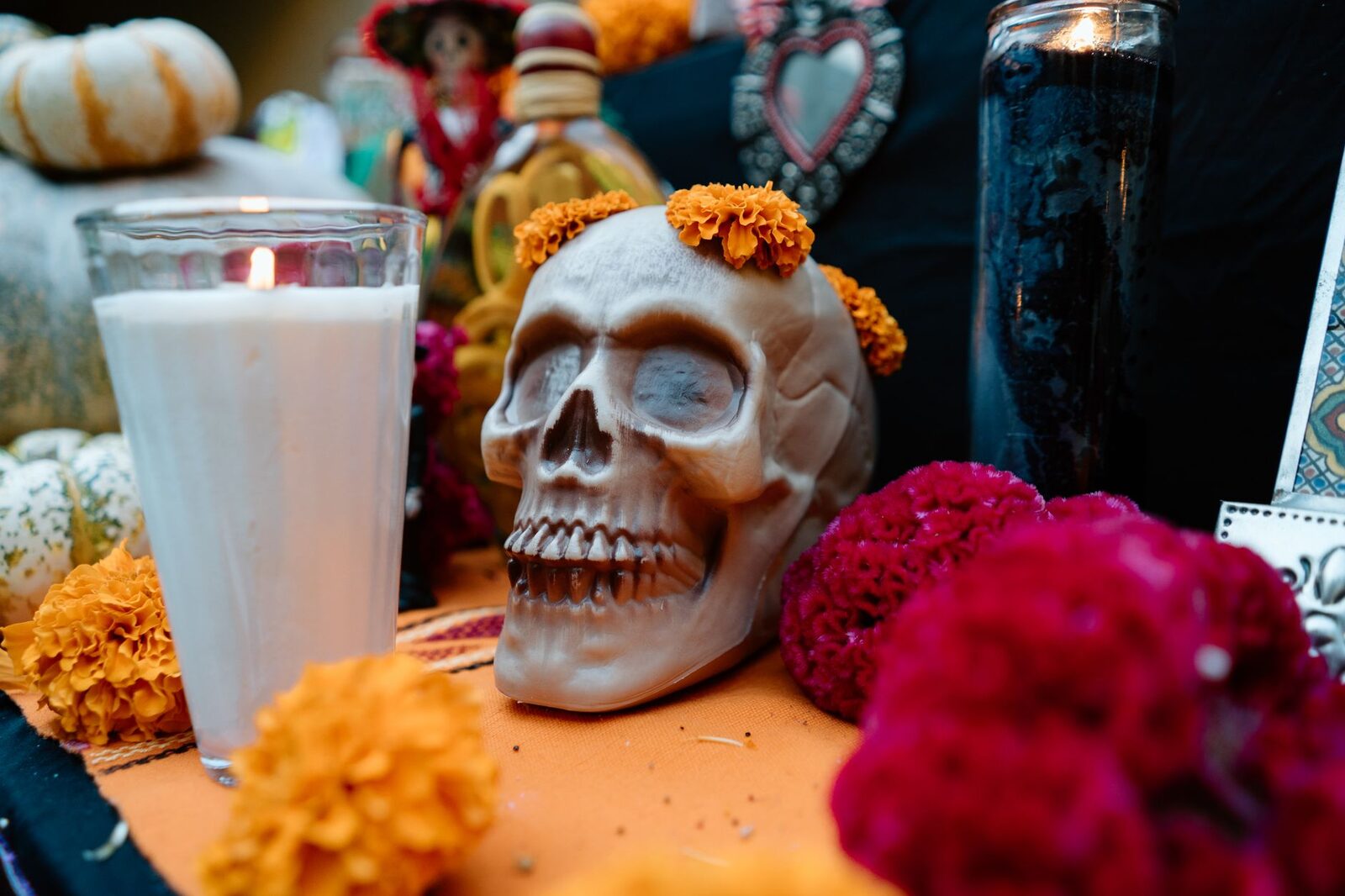
Day of the Dead is a time for families to remember and honour loved ones who have died. Rather than being sad or frightening, it is a celebration of their lives. Families build ofrendas, home altars decorated with photos, candles, flowers, food and drink the person loved, and visit and decorate graves.
Traditionally, 1 November is associated with remembering children who have died, and 2 November with adults. The celebration blends Indigenous traditions of honouring the dead with Catholic All Saints' Day and All Souls' Day. In 2008, UNESCO added the Indigenous festivity dedicated to the dead in Mexico to its list of the Intangible Cultural Heritage of Humanity.
Sugar skulls (calaveras)
A calavera is a representation of a skull. During the Day of the Dead, decorated skulls made of sugar, known as alfeñiques, are placed on altars or given as gifts, sometimes with the name of a loved one written on the forehead.
As a tattoo, a sugar skull commonly represents:
- Remembrance of someone who has died.
- Celebration of life rather than fear of death.
- Acceptance that death is part of life.
- Pride in Mexican heritage.
Adding a name, a date or a loved one's favourite flower turns a sugar skull into a personal memorial tattoo. See more in our memorial tattoo ideas.
La Catrina
La Catrina is an elegant female skeleton, usually shown in a large, feathered or flowered hat. She was created by the Mexican printmaker José Guadalupe Posada in the early 20th century as a satirical image mocking Mexicans who copied European upper class fashions. The idea behind it was that, whatever our wealth or status, death comes to everyone.
The artist Diego Rivera later painted a full-length Catrina in his famous mural, helping make her the best known symbol of the Day of the Dead. In tattoos, La Catrina often represents equality, elegance, and embracing mortality. Many women choose Catrina portraits with their own features.
Other Day of the Dead symbols in tattoos
- Marigolds (cempasúchil): bright orange flowers believed to guide spirits home with their colour and scent.
- Candles: light to guide the souls of the dead.
- Papel picado: colourful cut paper banners.
- Butterflies: in parts of Mexico, monarch butterflies arriving in autumn are linked to returning souls.
- Roses and crosses: love and faith.
Popular Day of the Dead tattoo styles
- Colourful sugar skulls with flowers, hearts and swirls.
- Black and grey Catrina portraits in realism style, often on the forearm or thigh.
- Half face designs where a woman's portrait becomes a skull on one side.
- Sleeves combining skulls, marigolds, candles and portraits.
For more Mexican imagery, including the Virgin of Guadalupe and Aztec designs, read our guide to Mexican tattoo culture and symbolism.
Wearing Day of the Dead tattoos respectfully
- Understand the meaning. It is a celebration of loved ones, not a Halloween costume.
- Make it personal. A tattoo that honours someone you have lost aligns with the spirit of the tradition.
- Work with an artist who knows the imagery, ideally one with Mexican heritage or deep experience in the style.
- Avoid caricatures. Treat the symbols with the care they carry for millions of families.
Day of the Dead tattoos are best suited to an artist with strong colour or realism skills. Our guide to tattoo styles explained can help you choose.
Background drawn from the Wikipedia article on calaveras and UNESCO's listing of the Indigenous festivity dedicated to the dead.
News Tattoos
Tattoo enthusiast and writer at News Tattoos. Passionate about tattoo art, culture, and the stories behind the ink. Covering the global tattoo community since 2022.
Get one tattoo story a day on Telegram
New guides, meanings and tattoo news, straight to your phone. Free, no spam.
Keep reading
 Tattoo Culture & History
Tā Moko: The Meaning of Māori Tattoos and How to Respect Them
 Tattoo Culture & History
Sailor Tattoo Meanings: Swallows, Anchors, Nautical Stars and Hold Fast
 Tattoo Artist Spotlights
Stories In Ink Ottawa Celebrates Black Creatives
 Tattoo News & Events
Dragon Tattoo Meaning: Chinese, Japanese and European Dragons Explained