
Tā Moko: The Meaning of Māori Tattoos and How to Respect Them
Carved with bone chisels and tied to identity and ancestry, tā moko is one of the world's most meaningful tattoo traditions. Its history, decline and revival, and the difference between tā moko and kirituhi.
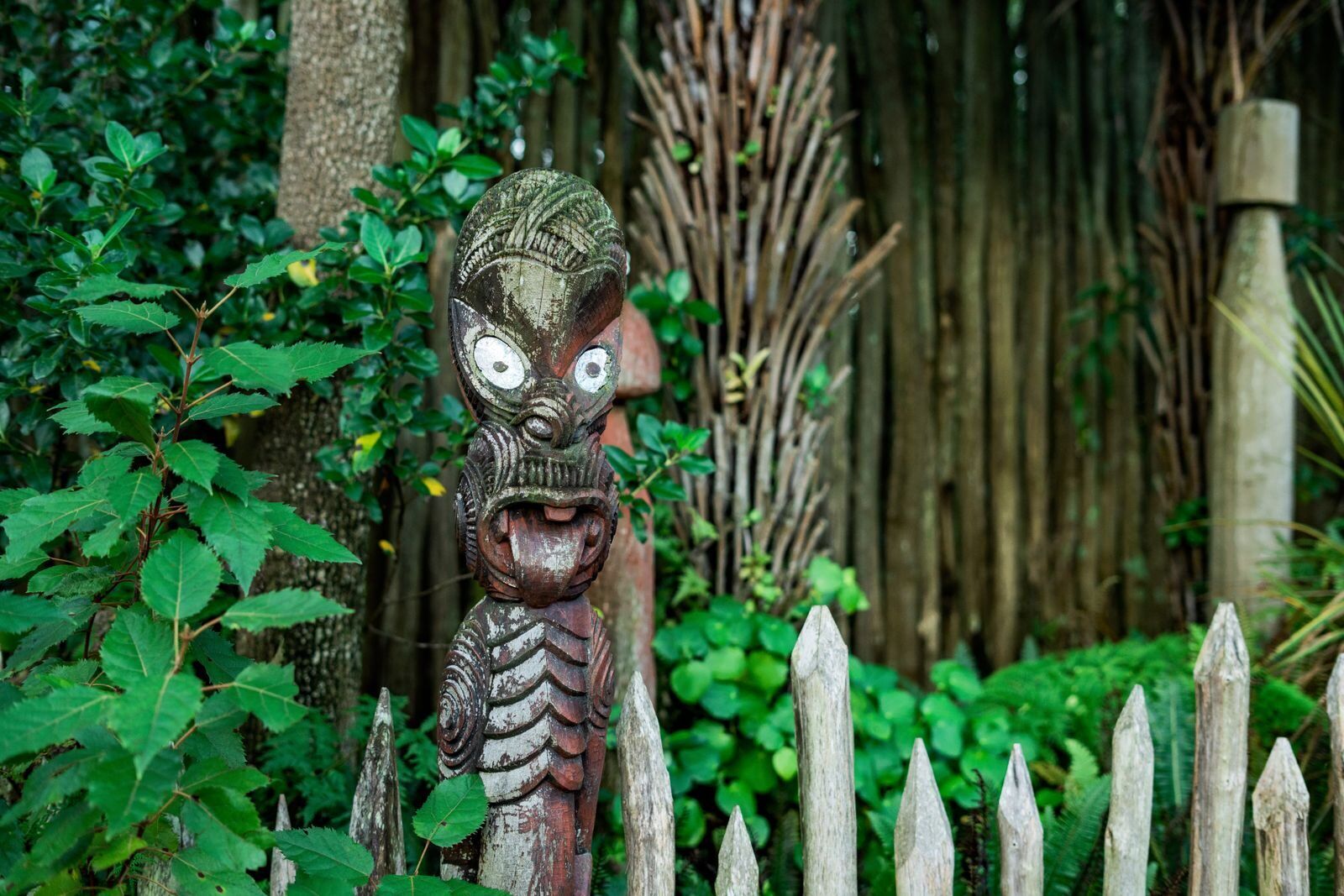 Save
Save
Tā moko, the traditional tattooing of the Māori people of Aotearoa New Zealand, is one of the most distinctive and meaningful tattoo traditions in the world. It is also one of the most misunderstood outside New Zealand, where Māori-inspired patterns are often copied without understanding what they represent. This guide explains the Māori tattoo meaning behind moko, and how to respect it.
Here is what tā moko is, how it was traditionally made, how it nearly disappeared and came back, and how non-Māori can appreciate it respectfully.
What tā moko is
Tā moko is the permanent marking of the body and face practised by Māori. Traditionally, it signalled mana, meaning prestige and authority, and high social status, and receiving moko was an important step between childhood and adulthood.
Moko is deeply personal. Its designs relate to a person's identity, ancestry and place in their community, which is why a moko is not simply a pattern that can be picked from a catalogue.
Where it was worn
- Men traditionally received moko on the face, as well as on the buttocks and thighs.
- Women usually wore moko on the lips and chin, known as moko kauae, although other parts of the body were also tattooed.
Full facial moko on men was among the most striking forms of tattooing ever practised anywhere.
How moko was made: carved, not just inked
Traditional tā moko did not use needles in the way modern tattooing does. Tohunga tā moko, the specialist practitioners, used uhi, chisels traditionally made from albatross bone, fixed to a handle and struck with a mallet. The uhi carved into the skin, leaving grooved lines rather than a smooth surface, so traditional moko had a textured, sculpted appearance.
Pigments came from natural sources, including burnt materials for the dark tones. The process was painful and carried with it strict protocols.
Decline in the 19th century
After European contact, tā moko declined sharply. Christian missionaries discouraged the practice, and a trade in mokomokai, preserved tattooed heads sought by European collectors, caused great harm. Full facial moko on men had largely stopped by around the 1860s, although women continued to receive moko kauae for much longer.
Many mokomokai ended up in museums around the world. In recent decades, institutions have returned many of them to New Zealand as part of repatriation efforts.
Revival
Since around 1990, there has been a powerful resurgence of tā moko among both men and women as an expression of cultural identity and pride. Today, moko kauae is increasingly seen on Māori women in public life, and some tohunga tā moko have revived the use of uhi alongside modern tattoo machines.
Tā moko vs kirituhi
An important distinction has emerged for anyone who admires Māori art:
- Tā moko is tied to Māori whakapapa, meaning genealogy, and identity. It is created for Māori, with meaning specific to the person.
- Kirituhi, meaning "skin writing," describes designs with a Māori style or flavour that can be worn by anyone, without claiming the personal and ancestral meaning of moko.
If you are not Māori but love the art form, kirituhi created by a Māori artist is widely regarded as the respectful route.
Appreciation without appropriation
- Do not copy someone else's moko. It is a record of that person's identity.
- Avoid facial moko and moko kauae if you are not Māori. These carry particular cultural significance.
- Work with Māori artists who can explain what is appropriate and create kirituhi with integrity.
- Learn before you ink. Understand the meaning behind the forms and patterns you are drawn to.
Tā moko is part of the wider Polynesian tattooing tradition that gave the English language the word "tattoo," from the Polynesian tatau. For more on tattooing across cultures, see our tattoo history timeline and our look at the Filipino tradition of batok and Apo Whang-Od.
Background drawn from the Tā moko article and its cited sources, and Te Ara, the Encyclopedia of New Zealand.
News Tattoos
Tattoo enthusiast and writer at News Tattoos. Passionate about tattoo art, culture, and the stories behind the ink. Covering the global tattoo community since 2022.
Get one tattoo story a day on Telegram
New guides, meanings and tattoo news, straight to your phone. Free, no spam.
Keep reading
 Tattoo Culture & History
Sailor Tattoo Meanings: Swallows, Anchors, Nautical Stars and Hold Fast
Tattoo Culture & History
Sailor Tattoo Meanings: Swallows, Anchors, Nautical Stars and Hold Fast
 Tattoo Artist Spotlights
Stories In Ink Ottawa Celebrates Black Creatives
Tattoo Artist Spotlights
Stories In Ink Ottawa Celebrates Black Creatives
 Tattoo News & Events
Dragon Tattoo Meaning: Chinese, Japanese and European Dragons Explained
Tattoo News & Events
Dragon Tattoo Meaning: Chinese, Japanese and European Dragons Explained
 Tattoo News & Events
Tattoos and Queerness: A Deep Dive into the Art of Self-Expression
Tattoo News & Events
Tattoos and Queerness: A Deep Dive into the Art of Self-Expression