
Batok: The History of Filipino Tattooing and Apo Whang-Od
Hand-tapped with a thorn and charcoal, batok is one of the world's oldest living tattoo traditions. The history of Filipino tattooing, what Kalinga designs meant, and the story of 106-year-old Vogue cover star Apo Whang-Od.
 Save
Save
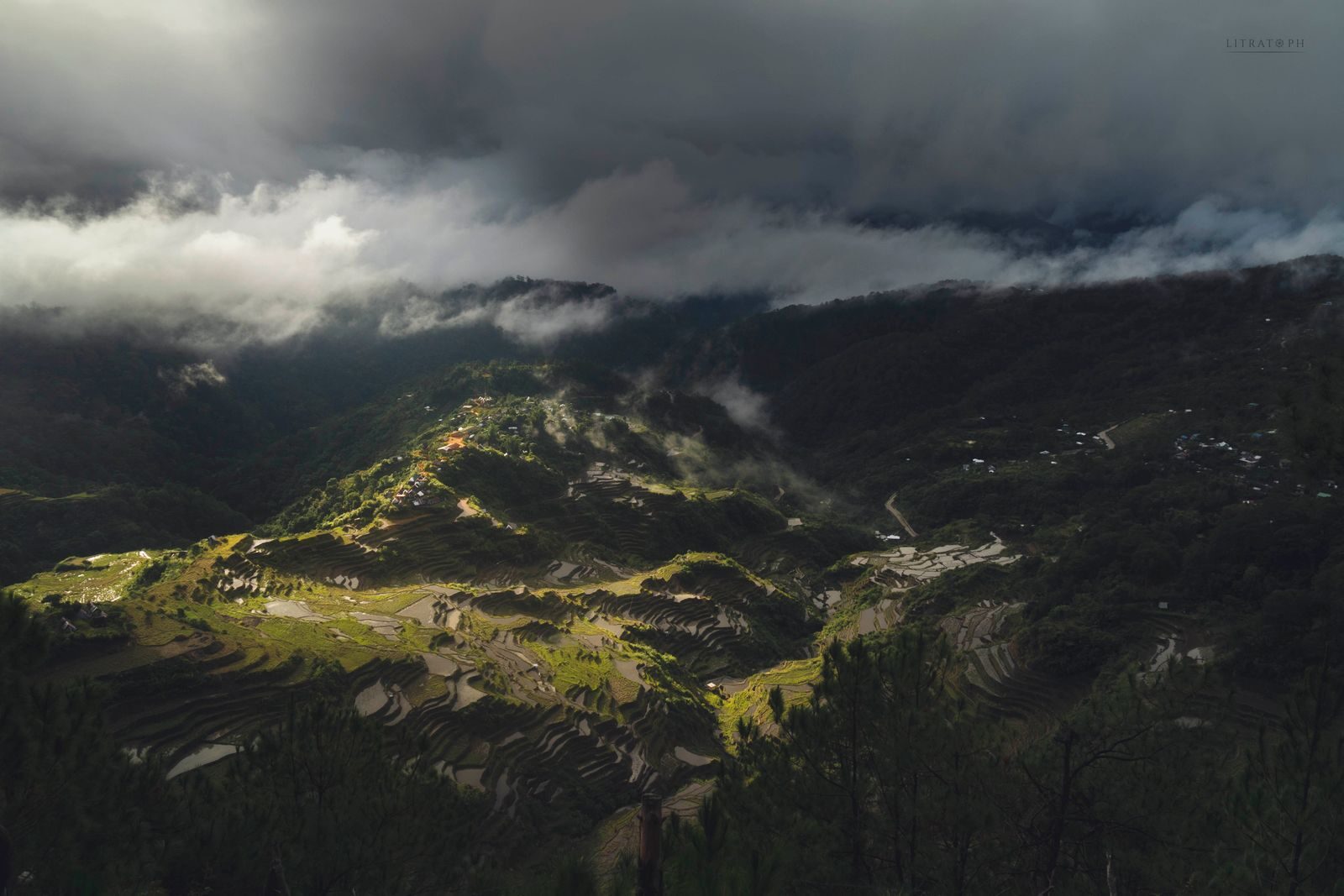
High in the mountains of the northern Philippines, in a village reached by winding roads and steep footpaths, one of the world's oldest living tattoo traditions is still practised by hand. It is called batok, a living chapter of Filipino tattoo history, and its most famous keeper, Apo Whang-Od, became the oldest person ever to appear on the cover of Vogue.
Here is the history of Filipino tattooing, what batok designs meant, and why Whang-Od became a national icon.
Tattooing in the pre-colonial Philippines
Tattooing was widespread across the Philippine islands long before Spanish colonisation in the 16th century. Early Spanish accounts described heavily tattooed people in the Visayas, and tattoos marked identity, bravery, beauty and status in many communities. Under colonial rule and later modernisation, much of this tradition was suppressed or abandoned.
In the remote highlands of the Cordillera region of northern Luzon, however, tattooing survived much longer among peoples including the Kalinga, Bontoc and Ifugao.
What is batok?
Batok is the traditional hand-tapped tattooing of the Kalinga. Instead of a machine, the tattooist uses:
- A thorn from a calamansi or pomelo tree as the needle
- A mixture of charcoal and water as the ink
- A small stick or hammer to tap the thorn rhythmically into the skin
The technique is slow and considered more painful than modern machine tattooing, and the designs are drawn freehand onto the body before tapping begins.
What the designs meant
Kalinga tattoos were never just decoration.
- Warriors earned tattoos, known as fi-ing, for achievements in battle. A warrior who had killed an enemy could receive an eagle tattoo on his return.
- Women's tattoos, known as fatok, signified beauty and wealth, and heavily tattooed arms were considered highly attractive.
- Tattoos were also bound up with identity, kinship and spirituality, including protection from harmful spirits.
Common motifs include snakes, centipedes, eagles, rice terraces, ferns and geometric patterns representing the natural world of the Cordillera.
Apo Whang-Od: the last traditional mambabatok
Whang-Od Oggay is a mambabatok, a traditional Kalinga tattooist, from Buscalan, a village of the Butbut people in Tinglayan, Kalinga province. Her birth date is generally given as 17 February 1917, although exact records do not exist for many remote villages at the time.
She learned batok as a teenager from her father, a master tattooist, at a time when the art was traditionally practised by men. For decades she tattooed warriors and women of the region.
From mountain village to global fame
As outsiders learned about her work, Buscalan became a destination for visitors from across the Philippines and around the world, many travelling for hours to receive a simple batok design from her. Tourism brought income to the village, along with debates about how to protect a sacred cultural practice from becoming a souvenir.
The Vogue cover
In April 2023, Whang-Od appeared on the cover of Vogue Philippines at the age of 106, making her Vogue's oldest ever cover model. The cover was celebrated as a landmark for Indigenous representation and was commended in a resolution by the Philippine House of Representatives.
Honours and legacy
Whang-Od received the Dangal ng Haraya Award in 2018 and the Presidential Medal of Merit in 2024. Crucially, she has passed on her skills, training women from her own family, including her grandnieces Grace Palicas and Elyang Wigan, so that batok continues after her.
Batok today
Batok has inspired a revival of Filipino tattooing in the Philippines and among the Filipino diaspora, particularly in the United States, where many people seek traditional designs to reconnect with their heritage. Modern artists study historical records and work with Indigenous communities, while debates continue about who should wear these designs and how to respect their meaning.
Visiting Buscalan respectfully
- Remember it is a living community, not a tourist attraction.
- Go with a local guide, as visitors are generally expected to.
- Ask before photographing people and homes.
- Accept the design you are offered. Traditional motifs carry meaning, and not every design is appropriate for every visitor.
- Look after the tattoo carefully. Hand-tapped tattoos are still open wounds, so follow good aftercare, as explained in our healing timeline.
For more on tattooing's global history, see our tattoo history timeline.
Sources: NBC News; Vogue Philippines; Whang-od and its cited sources.
News Tattoos
Tattoo enthusiast and writer at News Tattoos. Passionate about tattoo art, culture, and the stories behind the ink. Covering the global tattoo community since 2022.
Get one tattoo story a day on Telegram
New guides, meanings and tattoo news, straight to your phone. Free, no spam.
Keep reading
 Tattoo News & Events
NYC's Underground Tattoo Years Revealed in New Intriguing Book
Tattoo News & Events
NYC's Underground Tattoo Years Revealed in New Intriguing Book
 Tattoo Culture & History
Tattoos in the Bible: What Leviticus 19:28 Really Says
Tattoo Culture & History
Tattoos in the Bible: What Leviticus 19:28 Really Says
 Tattoo Culture & History
Tā Moko: The Meaning of Māori Tattoos and How to Respect Them
Tattoo Culture & History
Tā Moko: The Meaning of Māori Tattoos and How to Respect Them
 Tattoo Culture & History
Tattoo History in America: From Sailors to the Mainstream
Tattoo Culture & History
Tattoo History in America: From Sailors to the Mainstream