
Tattoo History in America: From Sailors to the Mainstream
Civil War tattooists, the first electric tattoo machine, circus sideshows, Sailor Jerry and a New York City ban that lasted 36 years. The history of tattooing in the United States.
 Save
Save
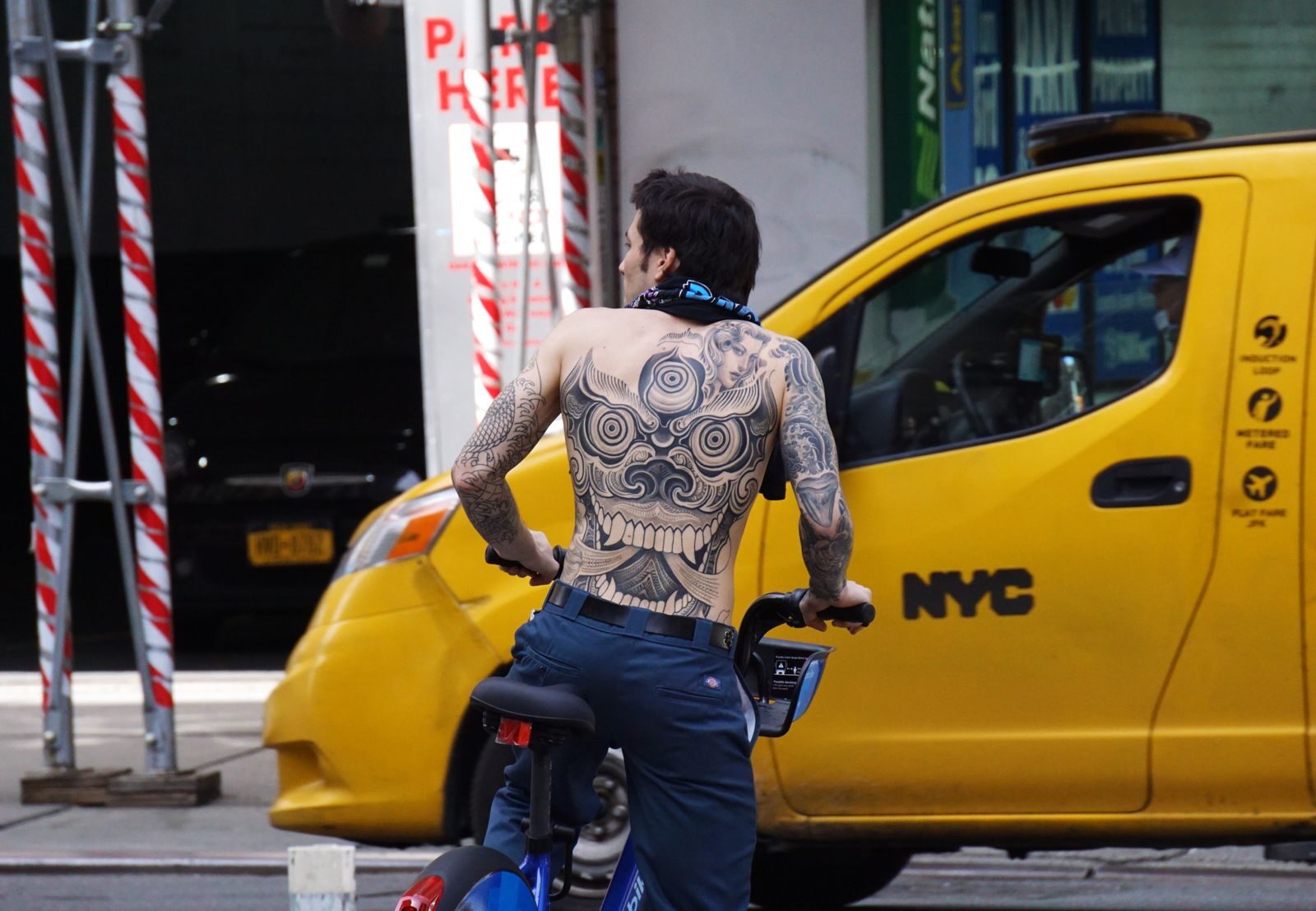
Today about a third of American adults have a tattoo. But tattoo history in America was anything but a smooth path to the mainstream, running through Navy ships, Civil War camps, circus sideshows, a New York City ban that lasted 36 years, and eventually reality television.
Here is the history of tattooing in America, from its earliest professional tattooists to the present day.
Indigenous tattooing
Long before European settlers arrived, many Native American peoples practised tattooing, with meanings tied to identity, achievement, protection and spirituality. European colonists and missionaries recorded tattooed Indigenous people in their accounts, and many of these traditions were later suppressed. Today, several Native communities are reviving traditional tattoo practices.
1840s to 1860s: sailors and the first professional tattooist
As in Europe, sailors carried tattooing through American port cities. One of the most important early figures is Martin Hildebrandt, a German-born tattooist who served in the US Navy aboard the USS United States in the late 1840s, where he tattooed fellow sailors. During the Civil War he travelled between army camps tattooing soldiers from both sides, often with names and identification so they could be recognised if killed.
Hildebrandt later opened a tattoo shop in New York City, widely regarded as one of the first professional tattoo shops in the United States, although sources disagree on the exact date it opened.
1891: the electric tattoo machine
On 8 December 1891, New York tattooist Samuel O'Reilly patented the first electric tattoo machine, adapting Thomas Edison's electric pen. It made tattooing faster, cheaper and far more accessible, and New York's Chatham Square and the Bowery became the centre of American tattooing. We cover the invention in more depth in our tattoo history timeline.
Early 1900s: sideshows and "tattooed ladies"
Heavily tattooed performers became star attractions at circuses and dime museums. Tattooed women in particular drew crowds, and for some working-class women, being tattooed and exhibited offered a rare chance to earn a good independent income. Tattoo flash, sheets of pre-drawn designs, spread across the country, and many classic American designs date from this era.
World War I and II: tattoos go to war
The world wars sent millions of Americans through tattoo shops near military bases and ports. Patriotic eagles, flags, anchors, pin-ups and names of sweethearts became hugely popular. In Honolulu, Norman "Sailor Jerry" Collins tattooed countless sailors and helped define the bold American traditional style. Read more in our guides to how World War II changed tattoo culture and sailor tattoo meanings.
1961 to 1997: New York bans tattooing
In 1961, amid concern about a hepatitis B outbreak, New York City made it illegal to tattoo a human being. The ban lasted 36 years. Tattooing did not stop. It moved underground into apartments, basements and hidden studios, and some artists moved across the river to New Jersey.
In 1997, the city legalised and regulated tattooing again. As the Smithsonian and other histories have noted, tattooing was never proven to be the source of the outbreak that prompted the ban.
1960s to 1980s: rebellion and art
During the second half of the century, tattoos became linked with bikers, sailors, prisons and counterculture, and later with punk and rock music. At the same time, a new generation of artists, many with fine art training and influenced by Japanese tattooing, began pushing tattooing toward serious art. Tattoo conventions and magazines helped artists share ideas across the country.
1990s to today: the mainstream
From the 1990s, tattoos spread steadily into mainstream culture, helped later by television shows about tattoo artists and by celebrities and athletes with visible ink. Styles diversified into fine line, realism, watercolour and more. A 2023 Pew Research Center survey found that 32 percent of American adults have at least one tattoo, and 22 percent have more than one.
Regulation has grown too, with tattooing now licensed or registered at state or local level across the country, as explained in our guide to becoming a tattoo artist in the US.
Sources: Smithsonian Magazine on New York's tattoo ban; Smithsonian Lemelson Center on O'Reilly's patent; Pew Research Center.
News Tattoos
Tattoo enthusiast and writer at News Tattoos. Passionate about tattoo art, culture, and the stories behind the ink. Covering the global tattoo community since 2022.
Get one tattoo story a day on Telegram
New guides, meanings and tattoo news, straight to your phone. Free, no spam.
Keep reading
 Tattoo Culture & History
Sailor Tattoo Meanings: Swallows, Anchors, Nautical Stars and Hold Fast
Tattoo Culture & History
Sailor Tattoo Meanings: Swallows, Anchors, Nautical Stars and Hold Fast
 Tattoo Culture & History
Tattoos in the Bible: What Leviticus 19:28 Really Says
Tattoo Culture & History
Tattoos in the Bible: What Leviticus 19:28 Really Says
 Tattoo Culture & History
Tā Moko: The Meaning of Māori Tattoos and How to Respect Them
Tattoo Culture & History
Tā Moko: The Meaning of Māori Tattoos and How to Respect Them
 Tattoo Culture & History
Batok: The History of Filipino Tattooing and Apo Whang-Od
Tattoo Culture & History
Batok: The History of Filipino Tattooing and Apo Whang-Od